
Mongolian beef, despite its name, is a staple of American Chinese cuisine that traces its roots back to the early 20th‑century immigrant kitchens where soy, brown sugar, and garlic were paired with affordable cuts of meat. The dish quickly spread across diners, becoming a familiar favorite for busy families seeking bold flavor without the fuss. Its popularity endures because the balance of sweet, salty, and umami creates a satisfying mouthfeel that feels both exotic and homely.
Why You'll Love It
-
- Ready in under 30 minutes, great for weeknights.
-
- One‑pan cleanup keeps the kitchen calm.
-
- Sweet‑savory glaze appeals to all ages.
-
- Flexible to add vegetables you have on hand.
"The noodles are perfectly coated, and the beef is so tender—my kids devoured every bite!"
Essential Ingredient Guide
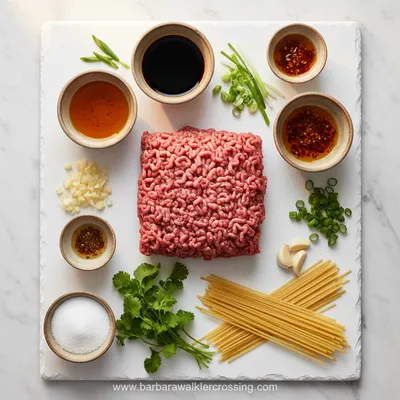
- Ground beef: Choose 80/20 for flavor; it stays juicy when browned.
- Egg noodles: Cook al dente; they hold the sauce beautifully.
- Scallions: Add at the end for a fresh, mild bite.
- Ginger and garlic: Freshly minced releases aromatic warmth.
- Soy sauce: Provides salty depth; low‑sodium works too.
- Brown sugar: Balances the salt with subtle caramel notes.
Complete Cooking Process
-
Ingredient Readiness:
Gather and measure everything before you start; this keeps the cooking flow smooth and avoids over‑cooking.
-
Flavor Development:
Brown the beef first to build a rich foundation, then deglaze with the sauce for depth.
-
Texture Control:
Add the noodles just long enough to coat them, preserving a pleasant chew.
-
Finishing Touches:
Stir in scallions and a splash of sesame oil right before serving for bright aroma.
-
Serving Timing:
Serve immediately while the noodles are warm and the sauce glistens.
-
Pat the beef dry before browning for better sear.
-
Use a high‑heat wok or skillet to keep the sauce from steaming.
-
Add a pinch of red pepper flakes for a subtle heat.
-
Reserve a ladle of pasta water to thin the sauce if needed.
Pro Tips
I often find that a quiet moment while the sauce thickens makes the kitchen feel like a small sanctuary. The steam carries the scent of ginger and brown sugar, inviting everyone to gather around the table. Take a breath, smile, and remember that cooking is as much about patience as it is about flavor.
The essence of the dish:
It’s the gentle interplay of sweet soy glaze and the comforting bite of noodles, all anchored by the richness of ground beef.
A fun fact or historical angle:
Although called "Mongolian," the dish was popularized in American Chinese restaurants in the 1980s, marrying Asian sauces with familiar Western proteins.
Flavor or sensory focus:
You’ll notice the silky coat of sauce, a whisper of ginger heat, and the soft, slightly chewy noodle texture that holds every drop.
You Must Know
-
Brown beef fully for deep flavor
-
Don’t over‑cook noodles
-
Taste sauce before finishing
Frequently Asked Questions
→ Can I use turkey instead of beef?
Yes, ground turkey works, but add a little extra oil to keep it moist.
→ What type of noodles are best?
Egg noodles or udon give the right bite; spaghetti works in a pinch.
→ How do I make it less salty?
Reduce the soy sauce or use low‑sodium version and add a splash of water.
→ Can I add vegetables?
Absolutely—carrots, bell peppers, or snap peas add color and crunch.
→ Is there a gluten‑free option?
Swap regular soy sauce for tamari and use gluten‑free noodles.
→ How long does it keep refrigerated?
Store in an airtight container for up to 3 days; reheat gently.
Nutrition Facts
per serving
420
Calories
28g
Protein
42g
Carbs
18g
Fat
Taste Profile
A balanced sweet‑salty umami experience
Ingredient Substitutions
Don't have an ingredient? Try these alternatives
Turkey cooks faster; tofu should be pressed and cubed.
Milder and slightly sweeter; reduce added sugar accordingly.
Recipe Variations
Try these delicious twists on the original
Spicy Version
Add 1 tsp crushed red pepper flakes and a drizzle of sriracha for a gentle heat.
Mediterranean Style
Swap soy sauce for a blend of olive oil, lemon juice, and oregano; garnish with feta and olives.
Common Mistakes to Avoid
Learn from others' mistakes for perfect results
- Overcrowding the pan, which steams instead of browns the beef.
- Adding noodles too early, causing them to become mushy.
- Using too much sugar, which can make the sauce cloying.
Meal Prep & Storage
Make Ahead Tips
You can brown the beef and mix the sauce up to 24 hours ahead; store separately and combine when ready to cook.
Leftover Ideas
Reheat gently in a skillet with a splash of water; add a bit more soy sauce if needed.
Perfect Pairings
Serve this with...
Cooking Timeline
Gather and measure all ingredients; prep garlic, ginger, and scallions.
Brown ground beef until fully cooked, then add aromatics.
Combine sauce ingredients; let simmer to thicken.
Cook noodles, combine with beef and sauce, finish with scallions and sesame oil.
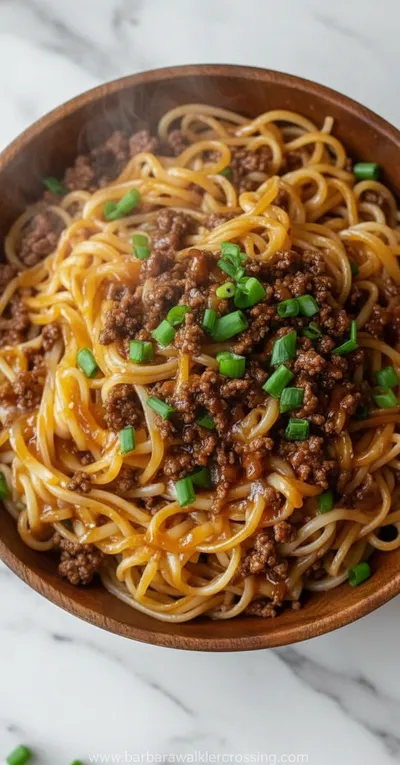
Mongolian Ground Beef Noodles
A heart‑warming bowl of tender ground beef simmered in a sweet‑savory Mongolian glaze, tossed with soft noodles—perfect for a quick, comforting dinner that feels like a hug from the kitchen.
Timing
Prep Time
10 Minutes
Cook Time
20 Minutes
Total Time
30 Minutes
Recipe Details
Ingredients
Main Ingredients
-
01
1 lb ground beef (80/20)
-
02
12 oz egg noodles
-
03
2 tbsp vegetable oil
-
04
3 scallions, sliced
-
05
1 tsp sesame oil
For the Sauce
-
01
1/3 cup soy sauce
-
02
2 tbsp brown sugar
-
03
1 tbsp rice vinegar
-
04
1 tbsp hoisin sauce
-
05
1 tsp freshly grated ginger
-
06
2 cloves garlic, minced
Instructions
In a large skillet, heat oil over medium‑high. Add the ground beef, breaking it up, and cook until browned, about 5‑6 minutes. Korean bowl
Drain excess fat, then add ginger and garlic; sauté for 30 seconds until fragrant.
Stir in soy sauce, brown sugar, rice vinegar, and hoisin. Let the mixture simmer gently, stirring, until it thickens slightly, about 3 minutes.
Meanwhile, cook the egg noodles in salted water until al dente; drain and set aside.
Add the cooked noodles to the skillet, tossing to coat them evenly with the sauce. If the sauce seems thick, add a splash of reserved pasta water.
Finish with sliced scallions and a drizzle of sesame oil. Serve hot, garnished with a pinch of extra scallion if desired. Hungarian noodles
Notes & Tips
-
1
For a spicier kick, stir in a pinch of red pepper flakes during step 3.
-
2
If you prefer a richer sauce, add a tablespoon of butter at the end for gloss.
-
3
The dish pairs nicely with a simple cucumber salad to balance the sweet‑savory notes.
Tools You'll Need
-
Large skillet or wok
-
Wooden spoon
-
Measuring spoons
-
Colander
-
Knife and cutting board
Must-Know Tips
-
Pat the beef dry before browning; it helps develop flavor.
-
Don’t over‑cook the noodles; they should still have a slight bite.
-
Taste the sauce before adding noodles; adjust seasoning early.
Professional Secrets
-
Use high heat to sear the beef, creating caramelized edges.
-
Deglaze with a splash of water to capture browned bits.
-
Add a dash of sesame oil at the end for aromatic finish.

Recipe by
Isabella MooreCelebrating life with flavor 🎉🍽️ Creating magical seasonal dishes full of warmth, joy, and delicious taste ✨
Get Delicious Recipes Weekly
Join 25,000+ home cooks getting our best recipes straight to their inbox.
Free forever • No spam • Unsubscribe anytime