
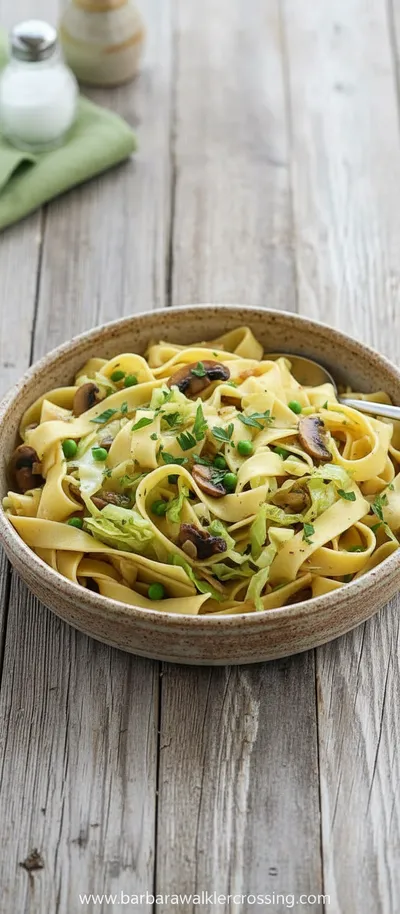
Hungarian haluski finds its roots in the hearty, peasant cooking of Eastern Europe, where simple, inexpensive ingredients were transformed into deeply satisfying meals. Cabbage, a staple crop that could be stored through harsh winters, was often paired with noodles or dumplings to create filling dishes for families. This particular combination traveled with immigrants to North America, where it became a cherished comfort food in many communities, especially in the Appalachian region and industrial towns where Hungarian settlers made their homes. The magic of haluski lies in its transformation – humble cabbage becomes sweet and tender through slow cooking, while the noodles soak up all the rich, buttery flavors.
Why You'll Love It
-
Comfort in a bowl with minimal ingredients
-
Perfect for using up that head of cabbage in your fridge
-
The caramelized cabbage gets wonderfully sweet and tender
-
A budget-friendly meal that feels special and homemade
"I made this for my family last night and everyone went back for seconds. So simple, but so incredibly delicious!"
Essential Ingredient Guide
- Green cabbage: Look for a head that feels heavy for its size with crisp, tightly packed leaves. Honestly, thin slices are key here – they cook down so nicely and get that lovely soft texture.
- Egg noodles: The wide, flat ones work best because they have more surface to catch all that buttery cabbage flavor. I mean, you could use other pasta, but these just have the right feel.
- Butter: Don't skimp here. It's what gives the dish its rich, comforting base and helps the cabbage caramelize beautifully. Well, you could use oil, but it's just not the same.
- Onion: A yellow onion, sliced thin, will melt right into the cabbage and add a sweet depth. Cook it slowly until it's golden – that's where the real flavor starts.
- Caraway seeds: This is the secret, the little touch that makes it taste truly Hungarian. Just a teaspoon gives it that warm, earthy note that pairs so well with cabbage.
Complete Cooking Process
-
Ingredient Readiness:
Getting your cabbage sliced thin and your onion finely chopped makes all the difference. The prep is simple, but taking your time here means everything cooks evenly and blends together perfectly.
-
Flavor Development:
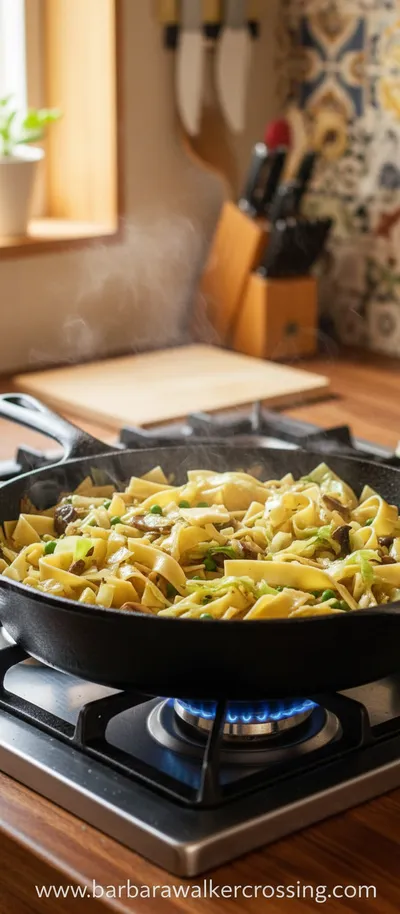
This happens in the pot, slowly. The onion softens in the butter, releasing its sweetness, and then the cabbage wilts down, soaking up that richness. The caraway seeds toast gently, filling the kitchen with their warm aroma.
-
Texture Control:
You want the cabbage to be tender but not mushy, and the noodles to be soft but still have a little bite. It's a balance, and it's achieved by not rushing the cooking process.
-
Finishing Touches:
A final stir to combine everything while it's still hot, maybe an extra pat of butter if you're feeling indulgent. That's it. Sometimes the simplest finishes are the best.
-
Serving Timing:
Serve it hot, right from the pot. It's best when the steam is still rising and the butter is glistening. It's the ultimate comfort, like my cabbage roll casserole, but even simpler.
-
Slice the cabbage as thinly as you can for the best texture.
-
Cook the onions low and slow until they're golden and sweet.
-
Don't overcook the noodles – they'll soften more when mixed in.
-
Let the dish sit for a few minutes off heat before serving for flavors to meld.
Pro Tips
I remember making this for the first time, worried I'd messed it up because the cabbage seemed like so much. But then it just wilted down into this soft, sweet pile that smelled like my grandmother's kitchen. It’s one of those dishes that teaches you patience. Honestly, the waiting is the hardest part, but it’s worth it.
And you know, if you love the way cabbage transforms in a dish, you might also enjoy a cheesy casserole where it gets all tender and rich. It’s a different kind of comfort, but just as satisfying on a chilly evening.
The essence of the dish:
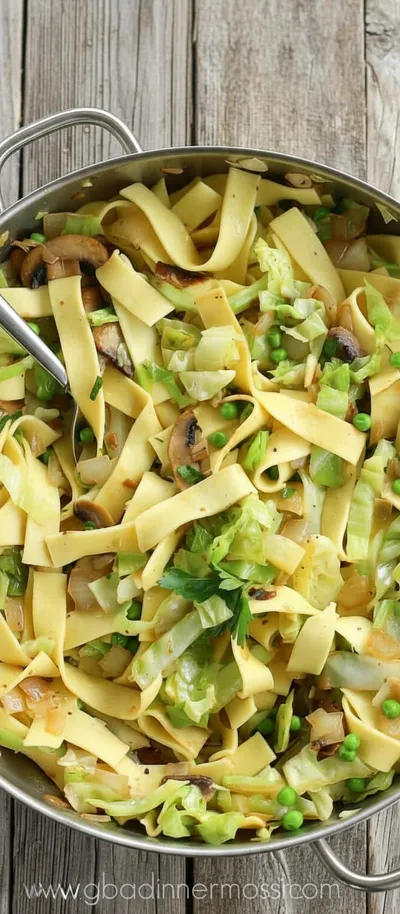
It’s the simplicity. Just a few ingredients, cooked with care, coming together into something that feels like a warm blanket. There’s no fuss, no fancy techniques, just good, honest food that feeds both the body and the soul.
A fun fact or historical angle:
In Hungary, 'haluski' can refer to small dumplings, but this noodle version became incredibly popular in American communities with Eastern European roots. It was a clever way to make a little bit of meat stretch or to create a hearty meal without any meat at all.
Flavor or sensory focus:
The first thing you'll notice is the smell – that incredible aroma of butter and onion filling the house. Then, when you take a bite, it’s the soft, giving texture of the noodles against the sweet, silky strands of cabbage. It’s pure comfort, much like the heartiness you find in a good cabbage and beef bake.
You Must Know
-
The cabbage will reduce dramatically in volume as it cooks.
-
The dish can be quite forgiving – a little more butter or a few extra noodles won't ruin it.
-
Leftovers are fantastic reheated, often even better the next day.
Frequently Asked Questions
→ Can I use a different type of cabbage?
Sure, you can. Green cabbage is traditional and has the right sweetness, but savoy cabbage would work well too, with its more delicate leaves. I wouldn't use red cabbage here, as it will turn the whole dish a purple color.
→ What can I serve with haluski?
It’s often a meal on its own, but it pairs beautifully with a simple salad or some crusty bread. For a heartier meal, it’s fantastic alongside savory meatballs or sausage.
→ Can I make this ahead of time?
Absolutely. You can cook the cabbage and onion mixture ahead and store it in the fridge. Then, just cook the noodles fresh and combine everything when you're ready to serve. Reheats like a dream.
→ My cabbage is still a bit crunchy, what did I do wrong?
You probably just didn't cook it long enough. It needs a good 15-20 minutes over medium-low heat to fully soften and caramelize. Patience is key – let it cook down slowly.
→ Is this similar to other cabbage dishes?
It has the comforting feel of a cabbage fritter, but the texture is much softer and more integrated. It’s all about the harmony of the ingredients.
→ Can I add meat to this?
Traditionally it's meatless, but you could certainly brown some beef sausage or turkey ham and stir it in at the end for a more substantial dish. It would be delicious.
Nutrition Facts
per serving
420
Calories
11g
Protein
55g
Carbs
18g
Fat
Taste Profile
A comforting, subtly sweet and buttery flavor profile with earthy notes from caraway.
Ingredient Substitutions
Don't have an ingredient? Try these alternatives
The flavor will be different, less rich, but still delicious for a dairy-free option.
The cooking time may vary slightly, so check the package directions.
Recipe Variations
Try these delicious twists on the original
With Beef Sausage
Brown 1/2 lb of sliced beef sausage with the onions for a heartier, meatier version.
Kielbasa Haluski
A popular variation where sliced kielbasa (using a beef or turkey version) is cooked right along with the cabbage.
Common Mistakes to Avoid
Learn from others' mistakes for perfect results
- Overcrowding the pot initially – the cabbage will wilt down, so don't worry.
- Cooking the cabbage on too high heat, causing it to burn instead of caramelize.
- Overcooking the noodles into mush before adding them to the cabbage.
Meal Prep & Storage
Make Ahead Tips
You can slice the cabbage and onion a day ahead and store them separately in the fridge. The cooked cabbage and onion mixture can be made up to 2 days in advance and reheated before combining with freshly cooked noodles.
Leftover Ideas
Leftovers reheat beautifully. Add a splash of water when reheating on the stove or in the microwave to keep it from drying out. The flavors often meld and improve overnight.
Perfect Pairings
Serve this with...
Cooking Timeline
Prep: Thinly slice the cabbage and onion. Get your water boiling for the noodles.
Cook the onions in butter until soft and golden. Add the cabbage, caraway, salt, and pepper.
Cook the cabbage covered, stirring occasionally, until very tender. Cook the noodles according to package directions.
Drain noodles, combine with the cabbage mixture, and stir gently. Let rest for 2-3 minutes off heat.
Serve hot. It's a perfect, comforting dish that pairs well with other hearty meals like a beef pasta bake.
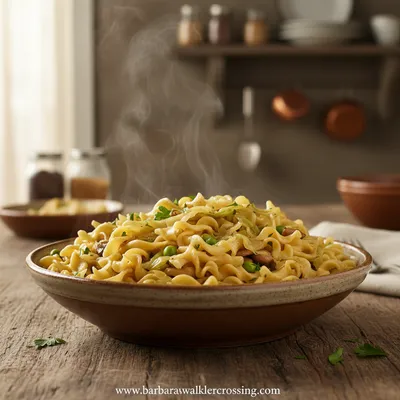
Cabbage And Noodles Hungarian Haluski Recipe
Classic Hungarian haluski featuring tender cabbage and noodles in a simple, comforting dish perfect for family meals.
Timing
Prep Time
15 Minutes
Cook Time
25 Minutes
Total Time
40 Minutes
Recipe Details
Ingredients
Main Ingredients
-
01
1 large head green cabbage, cored and thinly sliced
-
02
1 large yellow onion, thinly sliced
-
03
1/2 cup (1 stick) butter
-
04
12 oz wide egg noodles
-
05
1 tsp caraway seeds
-
06
Salt and black pepper to taste
Instructions
Bring a large pot of salted water to a boil for the noodles. In a very large skillet or Dutch oven, melt the butter over medium heat. Add the sliced onion and cook, stirring occasionally, until softened and starting to turn golden, about 8-10 minutes.
Add the thinly sliced cabbage to the pot with the onions. It will seem like a lot, but it will cook down. Sprinkle with the caraway seeds, salt, and pepper. Stir to combine everything with the butter.
Reduce the heat to medium-low, cover the pot, and let the cabbage cook, stirring every few minutes, until it is very tender and has reduced in volume significantly, about 15-20 minutes. Meanwhile, cook the egg noodles according to package directions until al dente. Drain well.
Once the cabbage is soft and sweet, add the drained noodles to the pot. Stir everything together gently until the noodles are coated in the buttery cabbage mixture. Taste and adjust seasoning with more salt and pepper if needed.
Let it sit off the heat for a couple of minutes before serving. This allows the flavors to come together beautifully, much like letting a pasta dish rest, such as stuffed shells.
Notes & Tips
-
1
Leftovers keep well in the fridge for up to 3 days. Reheat gently in a skillet with a splash of water.
-
2
For a richer flavor, you can use browned beef sausage instead of butter to cook the onions and cabbage.
-
3
If you don't have caraway seeds, a pinch of dried thyme can work, though the flavor profile will be different.
Tools You'll Need
-
Large skillet or Dutch oven with a lid
-
Large pot for boiling noodles
-
Colander
-
Sharp knife
-
Cutting board
Must-Know Tips
-
Slice the cabbage thinly for the best texture – thicker pieces take much longer to soften.
-
Don't rush the cabbage cooking. Low and slow is the secret to sweet, tender results.
-
Reserve a little pasta water when draining the noodles; you can add a splash if the dish seems dry.
Professional Secrets
-
Room temperature butter prevents burning when you start sautéing the onions.
-
A well-seasoned cast iron Dutch oven provides even heat for perfect caramelization.
-
Letting the finished dish rest for 5 minutes allows the noodles to fully absorb the flavors.

Recipe by
Isabella MooreCelebrating life with flavor 🎉🍽️ Creating magical seasonal dishes full of warmth, joy, and delicious taste ✨
Get Delicious Recipes Weekly
Join 25,000+ home cooks getting our best recipes straight to their inbox.
Free forever • No spam • Unsubscribe anytime