
Bolognese sauce traces its origins to the Emilia-Romagna region of Italy, specifically the city of Bologna where it was first documented in the late 18th century. Unlike many quick-cooking sauces, traditional Bolognese requires patience - the slow simmering process allows the flavors to meld together beautifully. Originally made with beef and pork, the sauce has evolved over centuries but always maintains its characteristic rich, meaty quality. The addition of milk during cooking helps tenderize the meat and creates a smoother texture, while the long cooking time ensures every ingredient contributes its full flavor potential.
Why You'll Love It
-
Rich, complex flavors develop through patient simmering
-
Freezes beautifully for easy future meals
-
Versatile - perfect with pasta, polenta, or lasagna
-
Comforting aroma fills your kitchen with warmth
"This Bolognese recipe transformed my Sunday dinners - the depth of flavor is incredible and worth every minute of simmering."
Essential Ingredient Guide
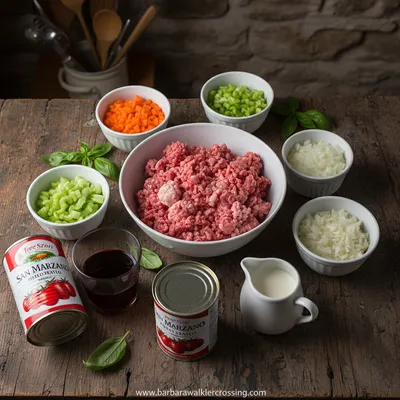
- Ground beef: Choose 80/20 ground beef for the perfect balance of lean meat and fat - the fat adds incredible flavor and richness to the sauce as it slowly renders during cooking
- San Marzano tomatoes: These Italian tomatoes have thinner skins and fewer seeds, creating a sweeter, less acidic sauce that perfectly complements the rich meat flavors
- Carrots, celery, and onion: This classic Italian soffritto forms the flavor foundation - finely dice them so they melt into the sauce during the long cooking process
- Whole milk: Added early in the cooking process, the milk helps tenderize the meat and creates a smoother, more velvety texture in the finished sauce
- Dry white wine: Deglazes the pan and adds acidity that balances the richness of the meat - the alcohol cooks off leaving only complex flavor notes
- Parmigiano-Reggiano: Freshly grated over the finished dish adds a salty, nutty complexity that elevates the entire experience
Complete Cooking Process
-
Ingredient Readiness:
Everything needs to be prepped before you start - finely diced vegetables, measured liquids, and your meat ready to go. This careful preparation makes the cooking process flow smoothly.
-
Flavor Development:
The magic happens during the long, slow simmering. As the sauce bubbles gently, the flavors deepen and meld together, transforming simple ingredients into something extraordinary.
-
Texture Control:
Stirring occasionally prevents sticking and helps the sauce thicken evenly. The meat should break down into tender, melt-in-your-mouth pieces rather than remaining in distinct chunks.
-
Finishing Touches:
Right before serving, adjust seasoning and stir in fresh herbs. The sauce should coat the back of a spoon beautifully, signaling it's ready to embrace your pasta.
-
Serving Timing:
Bolognese is best served piping hot over al dente pasta, allowing the sauce to cling perfectly to each strand. Leftovers actually improve overnight as flavors continue to develop.
-
Don't rush the browning - let the meat develop a nice crust for deeper flavor
-
Use a wide, heavy-bottomed pot for even heat distribution
-
Stir occasionally but not constantly - the sauce needs uninterrupted simmering time
-
Taste and adjust seasoning in the last 30 minutes of cooking
Pro Tips
Patience really is the secret ingredient here. I know it's tempting to turn up the heat and hurry things along, but trust me - the slow, gentle simmer is what creates that incredible depth of flavor that makes this sauce so special. The transformation that happens over those hours is truly remarkable.
And honestly, the aroma that fills your kitchen? That's part of the experience too. It builds anticipation and makes the final result even more satisfying. This isn't just cooking - it's creating memories around food, something I learned from my grandmother who always said good things take time.

The essence of the dish:
What makes Bolognese sauce truly special is its incredible depth of flavor achieved through patient cooking. Unlike quick sauces, this one develops layers of complexity that you can literally taste - the sweet vegetables, the rich meat, the subtle wine notes, all coming together in perfect harmony. It's comfort food at its finest, warming you from the inside out.
A fun fact or historical angle:
The original Bolognese recipe from Bologna actually contains very little tomato - it's primarily a meat sauce with just a touch of tomato for color and acidity. The version we know today has evolved, but still maintains that rich, meat-forward character that defines true Italian cooking.
Flavor or sensory focus:
When you taste this sauce, you'll notice how the flavors unfold gradually - first the rich meatiness, then the sweet vegetable undertones, followed by the subtle tang from the wine and tomatoes, all finishing with a comforting warmth that lingers pleasantly.
You Must Know
-
Never skip the milk - it tenderizes the meat and creates better texture
-
Low and slow is the rule - high heat will make the sauce bitter
-
Make extra - it freezes beautifully for future quick meals
-
Let it rest before serving - flavors improve as it cools slightly
Frequently Asked Questions
→ Can I make this sauce in advance?
Absolutely! Bolognese actually improves with time. Make it up to 3 days ahead and reheat gently, or freeze for up to 3 months. The flavors continue to develop and meld together beautifully.
→ What's the best pasta to serve with Bolognese?
Traditional choices are tagliatelle or pappardelle - the wide, flat noodles provide plenty of surface area for the sauce to cling to. But really, any substantial pasta works wonderfully.
→ Can I substitute the ground beef?
You can use ground lamb or a mix of meats. Some traditional recipes combine beef with pork, but ground lamb provides a rich alternative that complements the other flavors beautifully.
→ Why add milk to a meat sauce?
The milk helps tenderize the meat and creates a smoother, less acidic sauce. It's a traditional step that makes a significant difference in both texture and flavor development.
→ How do I know when the sauce is done?
The sauce is ready when the fats have separated slightly and risen to the surface, and the consistency is thick enough to coat the back of a spoon without running off immediately.
→ Can I make this without wine?
Yes, you can substitute with additional beef broth, though you'll miss the acidity and complexity that wine provides. The sauce will still be delicious, just slightly different in character.
Nutrition Facts
per serving
285
Calories
18g
Protein
12g
Carbs
18g
Fat
Taste Profile
Rich, savory, and deeply satisfying with subtle sweet notes from the vegetables
Ingredient Substitutions
Don't have an ingredient? Try these alternatives
Lamb adds richer flavor, turkey is leaner - adjust cooking time accordingly
Sauce will be less complex but still delicious - add a splash of vinegar for acidity
Recipe Variations
Try these delicious twists on the original
Mushroom Bolognese
Replace half the meat with finely chopped cremini mushrooms for an earthy, vegetarian-friendly version
Spicy Arrabbiata Style
Add crushed red pepper flakes and increase garlic for a zesty, fiery twist on the classic
Common Mistakes to Avoid
Learn from others' mistakes for perfect results
- Rushing the browning step - results in less flavor development
- Using high heat during simmering - can make sauce bitter
- Not reducing the wine properly - leaves harsh alcohol taste
- Over-stirring - prevents proper reduction and flavor concentration
Meal Prep & Storage
Make Ahead Tips
This sauce actually improves when made ahead. Prepare up to 3 days in advance and store in the refrigerator, or freeze for longer storage. Reheat gently on the stovetop, adding a splash of water or broth if needed.
Leftover Ideas
Leftover Bolognese is incredibly versatile - use it for casserole dishes, as a pizza topping, or in hearty stews. It also makes wonderful filling for stuffed peppers or as a base for creamy soup recipes.
Perfect Pairings
Serve this with...
Cooking Timeline
Prep all ingredients - chop vegetables, measure liquids, get everything ready
Sauté vegetables until softened, brown the meat properly
Add milk and wine, reduce properly before adding tomatoes
Simmer gently, stirring occasionally, until sauce reaches perfect consistency
Finish with fresh herbs and cheese, adjust seasoning
Traditional Bolognese Sauce Recipe
Learn how to make authentic Bolognese sauce from scratch with this traditional Italian recipe that's been perfected through generations. This rich, meaty sauce simmers slowly to develop deep, complex flavors that will transform your pasta dishes.
Timing
Prep Time
20 Minutes
Cook Time
3 Hours
Total Time
3 Hours 20 Minutes
Recipe Details
Ingredients
Main Ingredients
-
01
2 tablespoons olive oil
-
02
1 large onion, finely chopped
-
03
2 carrots, finely chopped
-
04
2 celery stalks, finely chopped
-
05
4 cloves garlic, minced
-
06
1.5 lbs ground beef (80/20)
-
07
1 cup whole milk
-
08
1 cup dry white wine
-
09
1 can (28 oz) San Marzano tomatoes, crushed by hand
-
10
2 cups beef broth
-
11
1 bay leaf
Finishing Touches
-
01
Salt and freshly ground black pepper
-
02
1/4 cup fresh basil, chopped
-
03
1/2 cup Parmigiano-Reggiano, freshly grated
-
04
2 tablespoons unsalted butter (optional)
Instructions
Heat olive oil in a large, heavy-bottomed pot over medium heat. Add the chopped onion, carrots, and celery, cooking until softened and fragrant, about 8-10 minutes. Add garlic and cook for another minute until fragrant.
Increase heat to medium-high and add the ground beef. Break it up with a wooden spoon and cook until well-browned, about 8-10 minutes. Don't rush this step - the browning adds important flavor.
Pour in the milk and simmer until mostly absorbed, about 10 minutes. This tenderizes the meat. Then add the white wine and cook until reduced by half, scraping up any browned bits from the bottom of the pot.
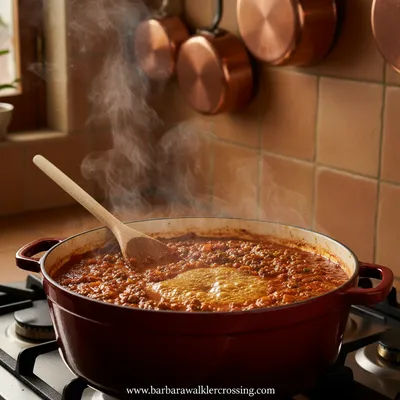
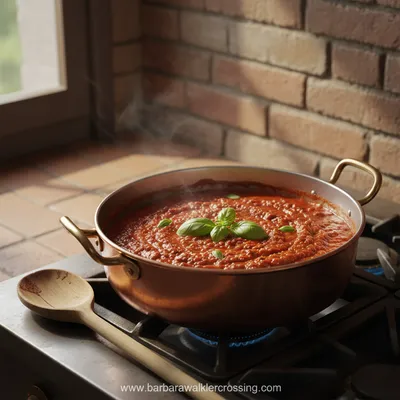
Add the crushed tomatoes, beef broth, and bay leaf. Bring to a simmer, then reduce heat to low. Partially cover and let simmer gently for 2.5-3 hours, stirring occasionally. The sauce should reduce and thicken beautifully.
In the last 30 minutes of cooking, season with salt and pepper to taste. Remove the bay leaf. Stir in fresh basil and Parmigiano-Reggiano. For extra richness, you can swirl in butter at the end.
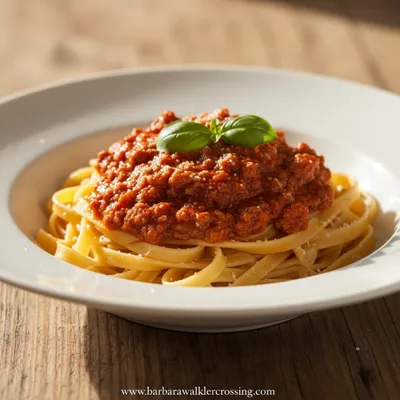
Serve hot over your favorite pasta, garnished with additional Parmigiano-Reggiano and fresh basil. The sauce should cling beautifully to the pasta, creating the perfect bite every time.
Notes & Tips
-
1
The sauce can be made up to 3 days ahead and refrigerated - flavors improve over time
-
2
Freeze in portions for quick future meals - thaw overnight in refrigerator
-
3
If sauce becomes too thick, thin with additional beef broth or pasta water
-
4
For authentic presentation, toss the pasta with the sauce in the pot before serving
Tools You'll Need
-
Large heavy-bottomed pot or Dutch oven
-
Wooden spoon
-
Cutting board
-
Sharp chef's knife
-
Measuring cups and spoons
-
Can opener
Must-Know Tips
-
Don't overcrowd the pan when browning meat - cook in batches if necessary for proper browning
-
Let the sauce reduce slowly - rushing with high heat will make it bitter
-
Taste and adjust seasoning at the end - flavors concentrate as the sauce reduces
-
Use pasta water to thin the sauce - the starch helps it cling better to noodles
Professional Secrets
-
Room temperature meat browns more evenly than cold meat
-
Deglaze the pan properly - those browned bits hold incredible flavor
-
Simmer uncovered for the last 30 minutes to achieve perfect consistency

Recipe by
Isabella MooreCelebrating life with flavor 🎉🍽️ Creating magical seasonal dishes full of warmth, joy, and delicious taste ✨
Get Delicious Recipes Weekly
Join 25,000+ home cooks getting our best recipes straight to their inbox.
Free forever • No spam • Unsubscribe anytime