
The orange cake traces its roots to 19th‑century European patisseries, where bright citrus was prized for uplifting spirits during long winters. Over time, bakers refined the recipe, swapping heavy creams for light meringues, creating the airy texture we cherish today. This evolution reflects a timeless love for simplicity and flavor.
Why You'll Love It
-
- Fluffy crumb that stays moist for days
-
- Bright orange flavor without overpowering sweetness
-
- Simple pantry ingredients, no fancy equipment
-
- Versatile for brunch, tea, or dessert
"The cake is so moist it practically melts on the tongue—pure citrus heaven!"
Essential Ingredient Guide
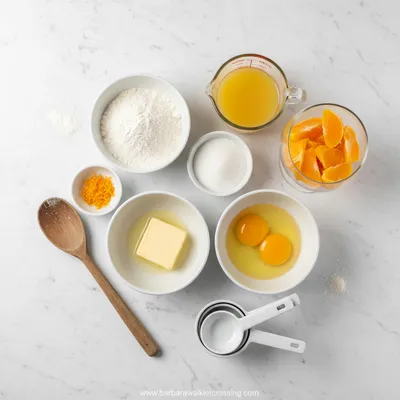
- Fresh oranges: Use zest and juice for maximum aroma; choose firm, fragrant fruits.
- All‑purpose flour: Sifted to keep the batter light and airy.
- Unsalted butter: Room‑temperature butter creates a smooth creamed base.
- Granulated sugar: Adds sweetness and helps trap air during creaming.
- Eggs: Room temperature eggs blend easily and add structure.
- Baking powder: A modest amount lifts the cake without creating large holes.

Complete Cooking Process
-
Ingredient Readiness:
Zest the oranges, juice them, and sift the flour so everything is light and ready to combine.
-
Flavor Development:
Cream butter, sugar, and zest together until the mixture looks pale and fluffy, releasing fragrant oils.
-
Texture Control:
Fold in the dry ingredients gently, then add the orange juice in two pours to keep the batter smooth.
-
Finishing Touches:
Bake until a toothpick emerges clean; let the cake rest upside‑down for a minute to keep it extra moist.
-
Serving Timing:
Serve slightly warm or at room temperature; the cake stays tender for up to three days if wrapped.
-
Sift flour and baking powder together for even rising.
-
Use a gentle hand when folding to keep the crumb light.
-
Add a tablespoon of orange zest to the frosting for extra zing.
-
Store the cake in an airtight container with a slice of orange to maintain moisture.
Pro Tips
Well, those little adjustments make a big difference. When you let the cake rest, the flavors meld, and the texture stays soft. I find that a quick drizzle of orange glaze right before serving adds a glossy finish and a burst of aroma that charms every guest.
 Baking, Bread & Sweet Comforts
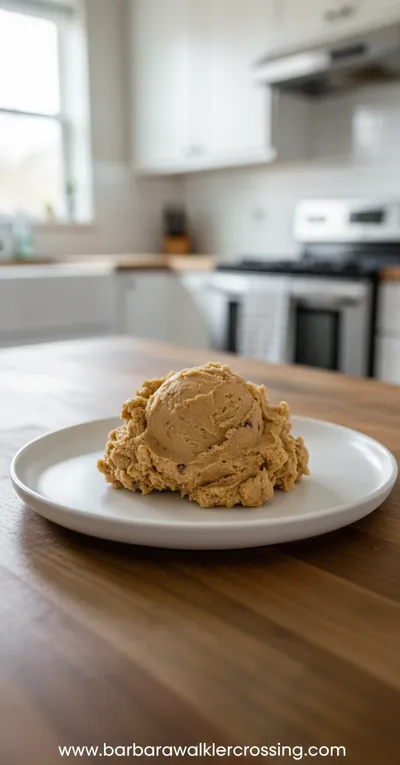
High Protein Cookie Dough
Nutritious cookie dough loaded with protein, easy to whip up and enjoy any time.
The essence of the dish:
It’s the balance of bright citrus against a tender crumb that makes this cake unforgettable. The scent of orange zest lifts the whole house, while the melt‑in‑your‑mouth texture invites you to linger over each slice.
A fun fact or historical angle:
In the 1800s, orange‑flavored desserts were often reserved for royalty because citrus was imported and expensive. Today we enjoy this luxury in every kitchen.
Flavor or sensory focus:
Expect a gentle, sweet orange perfume, a moist interior that yields easily, and a subtle buttery richness that never overpowers the fruit.
You Must Know
-
Do not over‑mix the batter; it can make the cake dense.
-
Allow the cake to cool in the pan for five minutes before turning out.
-
A thin glaze of orange juice and powdered sugar adds shine.
Frequently Asked Questions
→ Can I use orange extract instead of fresh zest?
Yes, a teaspoon of quality orange extract works, but fresh zest gives a brighter, more natural aroma.
→ How do I keep the cake moist for several days?
Wrap it tightly in plastic wrap or store in an airtight container with a slice of orange; the fruit’s moisture helps.
→ Can I add glaze or frosting?
A simple orange glaze of powdered sugar mixed with orange juice adds a glossy finish and extra flavor.
→ What if I don’t have a stand mixer?
A hand whisk works fine; just give yourself a few extra minutes to achieve a fluffy cream.
→ Is this cake gluten‑free friendly?
Swap the all‑purpose flour for a 1‑to‑1 gluten‑free blend; the texture remains light.
→ Can I make this cake ahead of time?
Absolutely – bake the cake a day early, then store it sealed; add the glaze right before serving.
Nutrition Facts
per serving
320
Calories
4g
Protein
42g
Carbs
14g
Fat
Taste Profile
Bright citrus sweetness with buttery undertones
Ingredient Substitutions
Don't have an ingredient? Try these alternatives
Use a 1‑to‑1 replacement; the cake stays light.
Will add a faint coconut note; keep the oil solid when mixing.
Recipe Variations
Try these delicious twists on the original
Spicy Version
Add ½ tsp ground ginger and a pinch of cayenne for a subtle heat.
Mediterranean Style
Fold in chopped candied orange peel and toasted almonds for added texture.
Common Mistakes to Avoid
Learn from others' mistakes for perfect results
- Over‑mixing the batter, leading to a dense cake.
- Opening the oven door too early, causing the cake to collapse.
- Using bottled orange juice instead of fresh, which reduces flavor.
Meal Prep & Storage
Make Ahead Tips
The batter can be prepared up to 2 hours ahead and kept refrigerated; bake when ready for a fresh‑warm cake.
Leftover Ideas
Reheat gently in a low oven (300°F) for 5‑7 minutes or enjoy at room temperature.
Perfect Pairings
Serve this with...
Cooking Timeline
Preheat oven and prepare pan; zest and juice oranges.
Cream butter and sugar until light and fluffy.
Add eggs one at a time, then incorporate dry ingredients.
Stir in zest and orange juice, pour batter into pan.
Bake, then cool slightly before turning out; add glaze if desired.
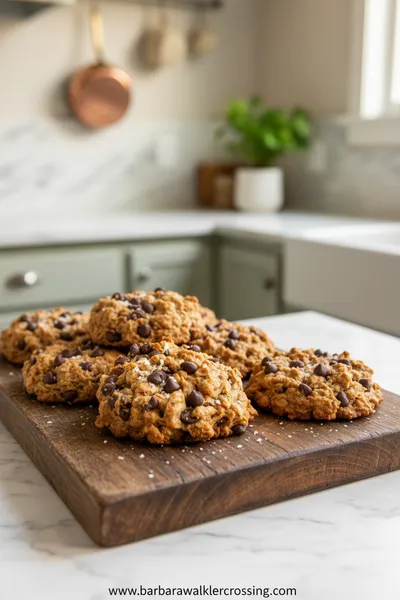

Moist Orange Cake – Light and Fluffy
A bright, tender cake that feels like a sunny morning. The orange juice cake is simple enough for a weekday treat yet special enough for celebrations.
Timing
Prep Time
15 Minutes
Cook Time
30 Minutes
Total Time
45 Minutes
Recipe Details
Ingredients
Cake Batter
-
01
1 cup unsalted butter, softened
-
02
1 ½ cups granulated sugar
-
03
3 large eggs, room temperature
-
04
2 cups all‑purpose flour
-
05
2 tsp baking powder
-
06
¼ tsp salt
-
07
½ cup fresh orange juice
-
08
Zest of 2 large oranges
Optional Glaze
-
01
1 cup powdered sugar
-
02
2‑3 tbsp fresh orange juice
Instructions
Preheat the oven to 350°F (175°C). Grease and line a 9‑inch round cake pan with parchment.
In a large bowl, cream the butter and sugar together until pale and fluffy, about 3‑4 minutes. Add the eggs one at a time, beating well after each.
Sift together flour, baking powder, and salt. Gradually add the dry mixture to the butter mixture, folding gently.
Stir in the orange zest, then drizzle in the orange juice in two additions, mixing just until incorporated.
Pour the batter into the prepared pan, smooth the top, and bake for 30‑35 minutes, or until a golden crust forms and a toothpick comes out clean.
Allow the cake to cool in the pan for 10 minutes, then turn onto a wire rack. If using glaze, whisk powdered sugar with orange juice until smooth, then drizzle over the warm cake.
Notes & Tips
-
1
If the batter looks too thick, add a splash more orange juice.
-
2
For extra brightness, dust the finished cake with a pinch of orange zest.
-
3
A light brush of melted butter on the top right after baking adds shine.
Tools You'll Need
-
9‑inch round cake pan
-
Mixing bowls
-
Electric hand mixer or stand mixer
-
Zester or microplane
-
Measuring cups and spoons
-
Wire cooling rack
Must-Know Tips
-
Don’t over‑mix after adding flour – it can make the cake dense.
-
Room‑temperature eggs blend better and help lift the batter.
-
Taste the glaze before drizzling; adjust orange juice for desired sweetness.
Professional Secrets
-
Cream butter and sugar until the mixture is almost pale – this traps air for lift.
-
Add orange juice in two stages to prevent the batter from becoming too wet.
-
Turn the cake upside‑down for a minute after baking to keep the crumb extra moist.

Recipe by
Barbara WalkerCooking with heart and heritage 🥘❤️ Sharing nostalgic flavors, family comfort, and timeless kitchen love ✨
Get Delicious Recipes Weekly
Join 25,000+ home cooks getting our best recipes straight to their inbox.
Free forever • No spam • Unsubscribe anytime