
Mango mousse cake traces its roots to tropical regions where mangoes have long been celebrated as the fruit of the sun. Travelers brought the idea of fruit‑based mousses to Western pastry kitchens, where bakers layered them with sponge cake for added height. Over time, the dessert evolved into a modern classic that captures the essence of warm, breezy afternoons on a plate. The result is a gentle, fragrant cake that feels both exotic and familiar, inviting anyone to share a piece of sunshine.
Why You'll Love It
-
- Light, fluffy texture that melts in your mouth
-
- Fresh mango flavor that feels like a tropical breeze
-
- Simple ingredients, no fancy equipment needed
-
- Beautiful presentation for celebrations
"The mango flavor sings, and the mousse is so airy – a true delight!"
Essential Ingredient Guide
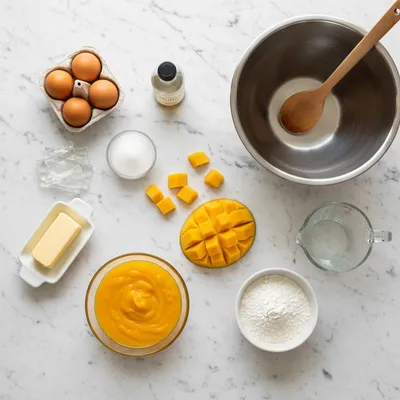
- Ripe mangoes: Choose mangoes that are fragrant and slightly soft; they blend into a silky puree.
- Heavy cream: Whipping the cream to soft peaks gives the mousse its airy lift.
- Gelatin: A tiny amount stabilizes the mousse without making it rubbery.
- Vanilla extract: Adds a subtle depth that balances the mango sweetness.
- Lime juice: A splash brightens the flavor and keeps the mango from browning.
- Sugar: Adjust to taste; mangoes vary in sweetness.
Complete Cooking Process
-
Ingredient Readiness:
Peel and puree mangoes, bloom gelatin, and chill the cream before whipping.
-
Flavor Development:
Fold mango puree into whipped cream, letting air stay trapped.
-
Texture Control:
Layer mousse between sponge cakes, refrigerating to set without over‑mixing.
-
Finishing Touches:
Garnish with fresh mango slices and a whisper of toasted coconut.
-
Serving Timing:
Serve chilled, about 30 minutes after removing from the fridge, for the best texture.
-
Use fully ripe mangoes for natural sweetness
-
Bloom gelatin in cold water, then dissolve gently
-
Whip cream just to soft peaks; over‑whipping makes mousse grainy
-
Layer evenly to avoid soggy bottoms
Pro Tips
Well, those little details really make a difference. I remember once I over‑whipped the cream and the mousse turned a bit stiff – oops! Letting it rest a few minutes after folding helps the texture settle. So, take your time, enjoy the process, and let the flavors come together slowly.
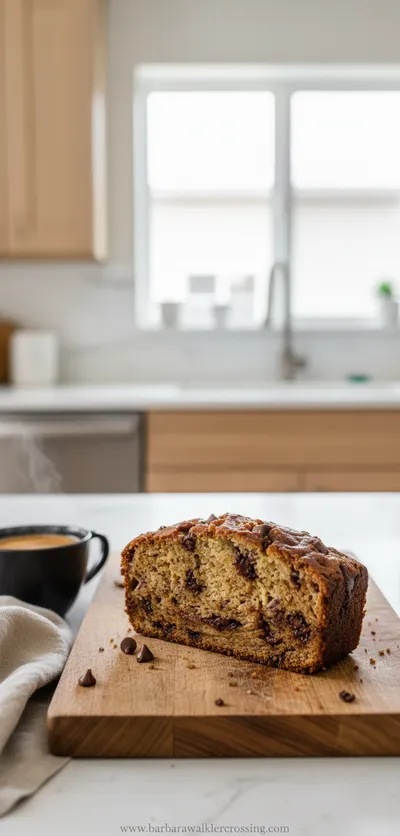
 Baking, Bread & Sweet Comforts
High Protein Cookie Dough
Nutritious cookie dough loaded with protein, easy to whip up and enjoy any time.
The essence of the dish:
The mango mousse cake balances airy lightness with vibrant fruit flavor, creating a dessert that feels both elegant and comforting.
A fun fact or historical angle:
Mangoes were once called the "king of fruits" in South Asia, and their popularity spread across continents via trade routes.
Flavor or sensory focus:
You’ll notice the sweet perfume of mango first, then the cool creaminess that melts on the tongue, finished with a tiny citrus zing.
You Must Know
-
Mangoes should be ripe but not mushy
-
Gelatin must be fully dissolved
-
Keep the mousse chilled until serving
Frequently Asked Questions
→ Can I use fresh or frozen mangoes?
Both work, but fresh mangoes give the brightest flavor; if using frozen, thaw completely and drain excess liquid.
→ What can I substitute for gelatin?
Agar‑agar works as a vegetarian alternative, but use half the amount and follow package instructions.
→ How long can the cake be stored?
Keep it refrigerated; it stays fresh for up to 3 days, covered loosely with plastic.
→ Is this cake gluten‑free?
Yes, simply replace the sponge cake with a gluten‑free version or use almond flour layers.
→ Can I add other fruits?
A thin layer of passion fruit puree or a drizzle of raspberry coulis adds a nice contrast.
→ Do I need a special pan?
A round springform pan works best, but any cake pan will do if you line it with parchment.
Nutrition Facts
per serving
280
Calories
4g
Protein
34g
Carbs
12g
Fat
Taste Profile
Bright, sweet, and creamy with a subtle citrus lift
Ingredient Substitutions
Don't have an ingredient? Try these alternatives
Use half the amount and dissolve in hot water before cooling.
Gives a dairy‑free version with a slight coconut note.
Recipe Variations
Try these delicious twists on the original
Spicy Version
Add a pinch of cayenne and a drizzle of chilli‑infused honey for a subtle kick.
Mediterranean Style
Fold in finely chopped pistachios and a splash of orange blossom water.
Common Mistakes to Avoid
Learn from others' mistakes for perfect results
- Over‑whipping the cream, leading to a grainy mousse.
- Using unripe mangoes, resulting in a bland flavor.
- Not chilling the mousse before layering, causing it to melt.
Meal Prep & Storage
Make Ahead Tips
You can puree the mango and whisk the mousse up to 24 hours ahead; keep each component covered and refrigerated.
Leftover Ideas
Store leftover slices in an airtight container; refresh the mousse texture by gently stirring before serving.
Perfect Pairings
Serve this with...
Cooking Timeline
Prepare mango puree and bloom gelatin.
Whip cream and fold in gelatin, then blend with mango puree.
Bake sponge layers, let cool, and start assembling.
Layer mousse and sponge, then refrigerate to set.
Garnish and slice for serving.
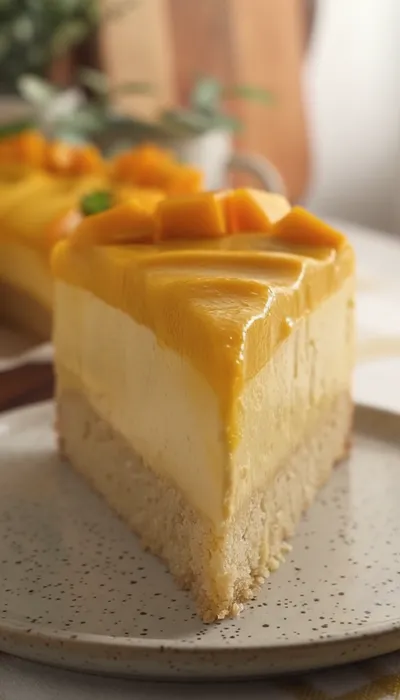
Mango Mousse Cake
A light, tropical Mango Mousse Cake that feels like a gentle breeze on a summer afternoon. The fluffy layers soak up the sweet mango puree, and the subtle vanilla whispers in the background. Pair it with a bright mango pancakes or a fresh mango salad for a full tropical experience.
Timing
Prep Time
20 Minutes
Cook Time
0 Minutes
Total Time
20 Minutes
Recipe Details
Ingredients
Mango Puree
-
01
3 ripe mangoes, peeled and diced
-
02
2 tbsp lime juice
-
03
2 tbsp sugar
Mousse Base
-
01
1 cup heavy cream, chilled
-
02
1 tbsp powdered gelatin
-
03
2 tbsp cold water
-
04
1 tsp vanilla extract
Sponge Layers
-
01
1 box vanilla cake mix (or homemade vanilla sponge)
-
02
Ingredients called for on the cake mix package
Garnish
-
01
Thin mango slices
-
02
Toasted coconut flakes
Instructions
Prepare the mango puree: combine diced mangoes, lime juice, and sugar in a blender; blend until smooth, then set aside.
Bloom gelatin: sprinkle gelatin over cold water, let sit 5 minutes, then gently warm in a microwave for 10 seconds until dissolved.
Whip the heavy cream to soft peaks; add vanilla extract and the dissolved gelatin, folding gently.
Fold the mango puree into the whipped cream, being careful not to over‑mix; keep the airy texture.
Bake the vanilla sponge according to package directions, let it cool completely, then slice into even rounds.
Assemble: place a sponge layer in a springform pan, spread half of the mango mousse, add another sponge layer, then the remaining mousse.
Refrigerate the assembled cake for at least 2 hours, or until set.
Before serving, garnish with fresh mango slices and a sprinkle of toasted coconut.
Notes & Tips
-
1
Make sure the mango puree is completely smooth for a velvety mousse.
-
2
Chill the bowl and whisk before whipping the cream to achieve better peaks.
-
3
If the mousse seems thin, add a touch more dissolved gelatin.
Tools You'll Need
-
Blender or food processor
-
Mixing bowls
-
Electric whisk
-
Springform pan
-
Spatula
-
Measuring cups and spoons
Must-Know Tips
-
Don't over‑whip the cream; it turns grainy quickly.
-
Let the gelatin fully dissolve before adding to the mousse.
-
Keep all components chilled until assembly for best texture.
Professional Secrets
-
Use room‑temperature mango puree to avoid shocking the mousse.
-
Fold gently in a figure‑eight motion to keep air.
-
Chill the cake overnight for deeper flavor integration.

Recipe by
Barbara WalkerCooking with heart and heritage 🥘❤️ Sharing nostalgic flavors, family comfort, and timeless kitchen love ✨
Get Delicious Recipes Weekly
Join 25,000+ home cooks getting our best recipes straight to their inbox.
Free forever • No spam • Unsubscribe anytime