
Italian meat sauce, or ragù as it's traditionally known, has roots stretching back centuries in Italian cuisine. Originally from Bologna, this slow-cooked sauce was developed to tenderize tougher cuts of meat through gentle simmering, creating a deeply flavorful accompaniment to pasta. The technique of building layers of flavor through sautéed vegetables, browned meat, and slow-cooked tomatoes has been passed down through generations, with each family adding their own subtle touches. The long cooking time isn't just practical—it allows the ingredients to meld together into something greater than the sum of its parts, creating a sauce that's both hearty and refined.
Why You'll Love It
-
Rich, deep flavors that develop over slow cooking
-
Versatile enough for pasta, lasagna, or even stuffed shells
-
Makes your kitchen smell absolutely heavenly
-
Freezes perfectly for quick weeknight meals
"My family requests this weekly now! The flavors are incredible and it freezes beautifully."
Essential Ingredient Guide
- Ground beef sausage: I use beef sausage instead of pork for a richer flavor. Look for a good quality, not too lean—the fat adds wonderful depth. Brown it well, that's where the magic starts.
- San Marzano tomatoes: These Italian tomatoes have fewer seeds and a sweeter, less acidic flavor. If you can find them, they make a real difference. Crush them by hand—it's messy but worth it.
- Fresh basil: Add half during cooking and save some for garnish. The fresh herb brightens everything up and gives that authentic Italian aroma.
- Garlic and onions: Cook them slowly until they're soft and sweet, not browned. This builds the foundation of flavor that carries through the whole sauce.
- Red wine vinegar: Just a splash at the end cuts through the richness and brightens all the flavors. It's my little secret weapon.
- Parmesan rind: If you have one tucked in your fridge, toss it in while simmering. It adds incredible umami depth and makes the sauce taste like it cooked for hours longer.

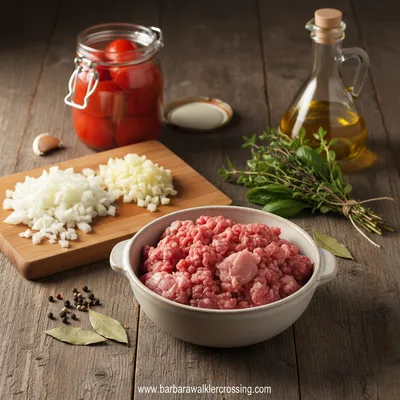
Complete Cooking Process
-
Ingredient Readiness:
Everything needs to be prepped before you start—onions diced small, garlic minced, tomatoes crushed, herbs measured. This sauce waits for no one once you begin cooking.
-
Flavor Development:
The real magic happens when you brown the meat properly and let the onions and garlic sweat until they're sweet and translucent. Don't rush this part—it's building your flavor foundation.
-
Texture Control:
Simmering slowly breaks down the tomatoes and meat until they become one cohesive sauce. The longer it cooks, the smoother and more integrated the texture becomes.
-
Finishing Touches:
Right before serving, stir in fresh basil and that splash of vinegar. It wakes everything up and makes the flavors pop in a way that slow cooking alone can't achieve.
-
Serving Timing:
This sauce is actually better the next day, but if serving immediately, let it rest off heat for 10 minutes so the flavors can settle and meld together properly.
-
Brown the meat in batches—don't crowd the pan
-
Taste and adjust seasoning in the last 30 minutes of cooking
-
If it's too acidic, add a pinch of sugar
-
Let it cool completely before freezing for best texture
Pro Tips
You know, I've made this sauce more times than I can count, and the one thing I've learned is patience pays off. That slow simmer really does transform simple ingredients into something special. I remember one time I was in a hurry and tried to rush it—big mistake. The flavors just didn't come together right.
Another thing—don't be afraid to make a big batch. This freezes beautifully, and having some tucked away in the freezer is like having a secret weapon for busy nights. It's perfect for those evenings when you want something comforting like a hearty stew but don't have hours to spend cooking.

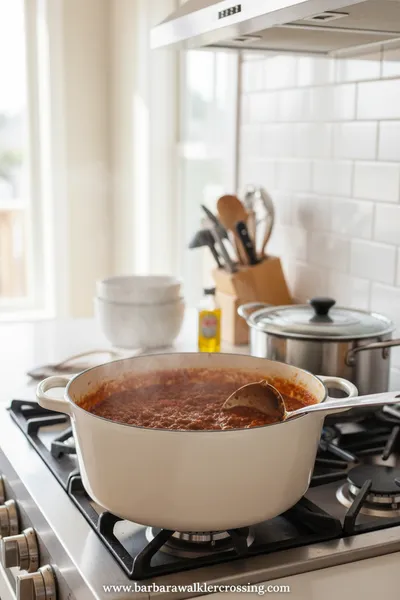
The essence of the dish:
This isn't just sauce—it's comfort in a pot. The way the tomatoes break down and meld with the herbs and meat creates something that feels both rustic and refined. It's the kind of food that makes people gather in the kitchen, just drawn by the smell.
A fun fact or historical angle:
Traditional Italian ragù often simmers for 4-6 hours, but this version captures the same deep flavors in about half the time through careful layering of ingredients and techniques.
Flavor or sensory focus:
You'll notice the sweet tomato base first, then the savory meat richness, followed by the herbal notes from the basil and oregano. It's a complex flavor journey that unfolds with each bite.
You Must Know
-
Don't skip browning the meat—it's crucial for flavor
-
Simmer gently—boiling will make the sauce bitter
-
Taste and adjust seasoning at the end
-
Let it rest before serving for best flavor integration
Frequently Asked Questions
→ Can I use ground turkey instead of beef sausage?
Absolutely, though the flavor will be lighter. You might want to add a bit more herbs and maybe a splash of Worcestershire sauce to boost the umami notes.
→ How long does this sauce keep in the refrigerator?
It will keep well for 4-5 days in an airtight container. The flavors actually improve over the first couple of days.
→ Can I freeze this sauce?
Yes, it freezes beautifully for up to 3 months. I like to freeze it in portion-sized containers for easy weeknight meals.
→ What's the best pasta to serve with this sauce?
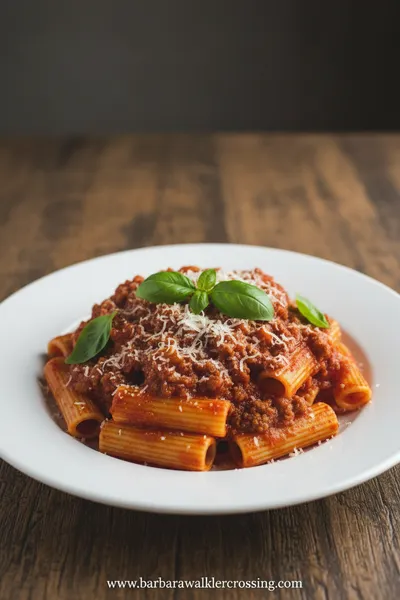
I love it with rigatoni or pappardelle—the thick shapes hold the sauce perfectly. But really, any pasta works wonderfully.
→ My sauce is too watery—how can I thicken it?
Let it simmer uncovered for another 15-20 minutes to reduce. If you're really in a hurry, you can mix a tablespoon of tomato paste with a little sauce and stir it back in.
→ Can I make this in a slow cooker?
Definitely! Brown the meat and sauté the vegetables first, then transfer everything to the slow cooker and cook on low for 6-8 hours. It's perfect for busy days when you want something like set-it-and-forget-it meals.
Nutrition Facts
per serving
280
Calories
18g
Protein
12g
Carbs
18g
Fat
Taste Profile
Rich, savory tomato sauce with herbal notes and deep meaty flavor
Ingredient Substitutions
Don't have an ingredient? Try these alternatives
Adjust cooking time slightly as leaner meats cook faster
The flavor will be slightly different but still delicious
Recipe Variations
Try these delicious twists on the original
Mushroom Version
Replace half the meat with chopped cremini mushrooms for an earthy, vegetarian-friendly option
Spicy Arrabbiata Style
Add red pepper flakes and a splash of the pasta cooking water for a spicy kick
Common Mistakes to Avoid
Learn from others' mistakes for perfect results
- Rushing the browning step—flavor foundation suffers
- Boiling instead of simmering—creates bitter taste
- Oversalting early—seasoning concentrates during cooking
- Not tasting at the end—misses final adjustment opportunity
Meal Prep & Storage
Make Ahead Tips
This sauce actually improves when made 1-2 days ahead. Refrigerate and reheat gently before serving. The flavors have time to meld and deepen beautifully.
Leftover Ideas
Reheat gently in a saucepan over low heat, adding a splash of water if needed. Leftovers are perfect for transforming into new meals or quick pasta dinners.
Perfect Pairings
Serve this with...
Cooking Timeline
Prep all vegetables and measure ingredients
Sauté vegetables until softened, brown the meat
Add tomatoes and seasonings, bring to simmer
Slow simmer to develop flavors
Finish with fresh herbs and adjust seasoning

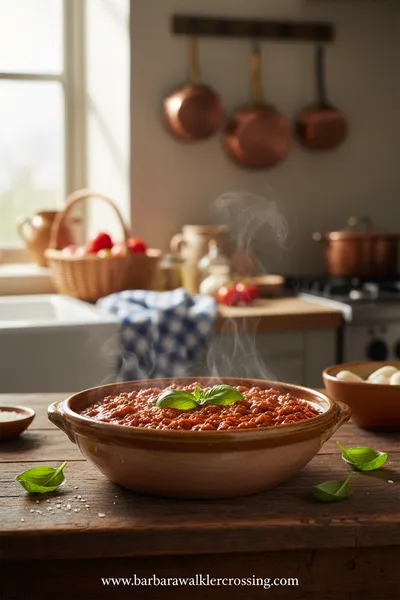
Italian Meat Sauce Recipe - Easy and Delicious
This classic Italian meat sauce simmers with rich flavors of tomatoes, herbs, and savory beef sausage, creating the perfect topping for pasta dishes that feels like a warm hug from grandma's kitchen.
Timing
Prep Time
20 Minutes
Cook Time
2 Hours
Total Time
2 Hours 20 Minutes
Recipe Details
Ingredients
For the Sauce Base
-
01
2 tablespoons olive oil
-
02
1 large yellow onion, finely chopped
-
03
3 cloves garlic, minced
-
04
2 carrots, finely diced
-
05
2 celery stalks, finely diced
Meat and Tomatoes
-
01
1 lb ground beef sausage
-
02
2 (28-ounce) cans whole San Marzano tomatoes
-
03
1/4 cup tomato paste
-
04
1 Parmesan rind (optional but recommended)
Herbs and Seasonings
-
01
1/4 cup fresh basil, chopped
-
02
1 teaspoon dried oregano
-
03
1 bay leaf
-
04
1 teaspoon salt
-
05
1/2 teaspoon black pepper
-
06
1 tablespoon red wine vinegar
-
07
Pinch of sugar (if needed)
Instructions
Heat the olive oil in a large Dutch oven or heavy-bottomed pot over medium heat. Add the onions, carrots, and celery and cook until softened, about 8-10 minutes. Add the garlic and cook for another minute until fragrant.
Push the vegetables to one side and add the ground beef sausage. Break it up with a wooden spoon and cook until nicely browned, about 6-8 minutes. Don't rush this step—the browning adds so much flavor.
Stir in the tomato paste and cook for 2 minutes until it darkens slightly. This deepens the tomato flavor throughout the sauce.
Add the crushed tomatoes along with their juices, the Parmesan rind if using, oregano, bay leaf, salt, and pepper. Bring to a gentle simmer.
Reduce heat to low, partially cover, and simmer for at least 1.5 hours, stirring occasionally. The longer it simmers, the better it gets.
Remove the bay leaf and Parmesan rind. Stir in the fresh basil and red wine vinegar. Taste and adjust seasoning—add a pinch of sugar if the tomatoes are too acidic.
Let the sauce rest for 10 minutes off heat before serving over your favorite pasta. It's also wonderful with hearty accompaniments or as a base for other dishes.
Notes & Tips
-
1
Sauce freezes beautifully for up to 3 months
-
2
Tastes even better the next day
-
3
Great for lasagna, stuffed shells, or meatball subs
-
4
Adjust thickness by simmering uncovered to reduce

Tools You'll Need
-
Large Dutch oven or heavy-bottomed pot
-
Wooden spoon
-
Cutting board and sharp knife
-
Measuring cups and spoons
-
Can opener
Must-Know Tips
-
Brown the meat properly—creates foundation flavor
-
Simmer gently—boiling makes sauce bitter
-
Taste and adjust at the end—seasoning evolves during cooking
-
Let rest before serving—flavors need time to marry
Professional Secrets
-
Sweat vegetables slowly—builds sweet foundation
-
Cook tomato paste until darker—deepens flavor
-
Add acid at the end—brightens all flavors
-
Use Parmesan rind—adds incredible umami depth

Recipe by
Isabella MooreCelebrating life with flavor 🎉🍽️ Creating magical seasonal dishes full of warmth, joy, and delicious taste ✨
Get Delicious Recipes Weekly
Join 25,000+ home cooks getting our best recipes straight to their inbox.
Free forever • No spam • Unsubscribe anytime