
Vegetable soup has roots in nearly every culture around the world, a testament to humanity's resourcefulness with the harvest. Before modern preservation methods, soup was the perfect way to use seasonal vegetables at their peak. The tradition of simmering garden bounty together creates layers of flavor that can't be rushed - each vegetable contributes its essence to the broth, creating something greater than the sum of its parts. This particular combination celebrates the hearty vegetables that grow well in cooler weather, making it a timeless staple for family tables.
Why You'll Love It
-
Uses simple, accessible vegetables you likely have on hand
-
The flavors develop beautifully as it simmers, creating incredible depth
-
It's endlessly adaptable based on what's in season or your pantry
-
Makes the whole house smell like a cozy, welcoming kitchen
"My family requests this soup weekly now - it's become our favorite comfort food that somehow tastes fresh every single time."
Essential Ingredient Guide
- Carrots: They add natural sweetness and heartiness - look for firm, bright orange carrots without soft spots.
- Cabbage: Adds wonderful texture and absorbs the broth flavors beautifully. Fresh cabbage should feel heavy for its size.
- Potatoes: Use Russet or Yukon Gold for their starchy quality that helps thicken the broth slightly.
- Tomatoes: Canned crushed tomatoes work perfectly here, giving the broth body and slight acidity.
- Fresh herbs: Thyme and bay leaves add earthy notes that complement the vegetables so well.
- Olive oil: A good quality olive oil for sautéing adds fruity notes that carry through the entire soup.
Complete Cooking Process
-
Ingredient Readiness:
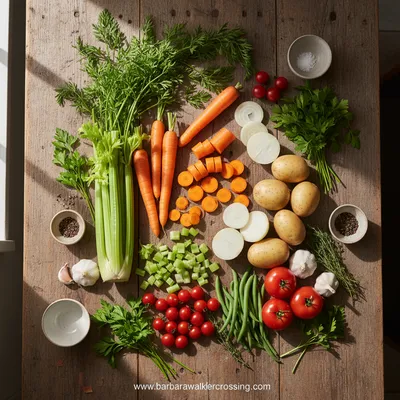
Honestly, taking the time to chop your vegetables evenly makes all the difference here. I like to cut everything into bite-sized pieces so they cook at about the same rate. The potatoes should be peeled unless you're using thin-skinned varieties, and the carrots sliced about a quarter-inch thick. When everything's prepped and waiting in little bowls, the cooking just flows naturally.
-
Flavor Development:
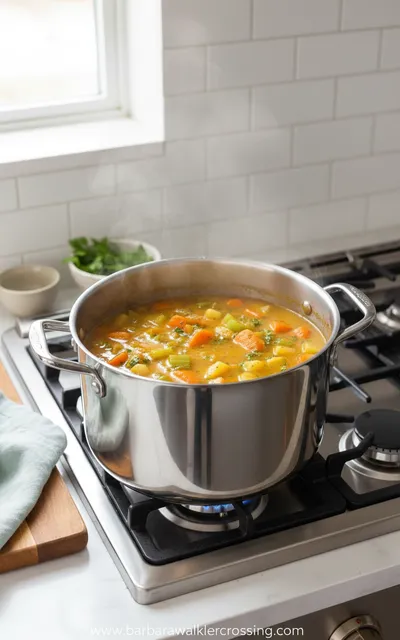
This is where the magic happens, really. Starting with sautéing the onions and garlic in good olive oil fills the kitchen with that incredible aroma that says 'something good is cooking.' Then adding the tomatoes and letting them cook down a bit creates this rich base that all the other vegetables will simmer in. I remember watching the colors deepen, the way the tomatoes start to break down and meld with the oil - it's the foundation of the whole soup's character.
-
Texture Control:
Adding the heartier vegetables like carrots and potatoes first gives them time to become tender without turning mushy. The cabbage goes in a bit later because it cooks faster and you want it to retain some texture. Honestly, I've learned that rushing this part just leads to some vegetables being overcooked while others are still crunchy. Slow and steady wins the race, as my grandmother used to say.
-
Finishing Touches:
Right before serving, I taste for seasoning - sometimes it needs another pinch of salt, maybe a grind of black pepper. The fresh herbs have done their work by now, infusing the broth with their gentle perfume. If I have some fresh parsley, I'll chop a handful to sprinkle over the top for a little brightness.
-
Serving Timing:
This soup is actually better if it sits for a bit after cooking. The flavors settle and marry together in a way that's just... deeper. But it's also wonderful piping hot right off the stove. Either way, it needs a good crusty bread for dipping - that's non-negotiable in my book.
-
Don't skip sautéing the vegetables first - it builds flavor foundation
-
Use vegetable broth instead of water for richer taste
-
Let the soup rest 10 minutes off heat before serving
-
Freezes beautifully for up to 3 months
Pro Tips
I've made this soup in big batches for years, and honestly, the leftovers might be even better than the first day. The vegetables continue to absorb the broth flavors, and everything becomes more harmonious.
Another thing I've learned - this soup is wonderfully forgiving. If you have other vegetables needing to be used up, toss them in. Zucchini, green beans, even some corn - they all find their place in this comforting blend. It's the kind of recipe that welcomes improvisation, which I always appreciate.

The essence of the dish:
This soup is really about simplicity and comfort. It's not fancy, but it's deeply satisfying in a way that fancy food sometimes isn't. Each spoonful tastes like care, like someone took the time to make something nourishing just for you. The vegetables keep their individual characters while becoming part of something greater - much like a good family, I suppose.
A fun fact or historical angle:
Vegetable soups like this have been sustenance for farming families for centuries. Before refrigeration, soup was the perfect way to use the day's harvest while it was still fresh. The tradition continues today because, well, it just makes sense.
Flavor or sensory focus:
What you'll notice first is the warmth - both the temperature and the feeling it gives you. Then the gentle sweetness from the carrots and tomatoes, the earthiness from the potatoes and herbs, and that wonderful savory broth that ties it all together. It's comforting in a very fundamental way.
You Must Know
-
This soup freezes exceptionally well for busy weeks
-
The flavor improves dramatically overnight
-
It's incredibly adaptable to whatever vegetables you have
-
Perfect for healthy eating goals
Frequently Asked Questions
→ Can I use frozen vegetables instead of fresh?
You absolutely can, though fresh will give you better texture. If using frozen, add them later in the cooking process since they're already partially cooked.
→ How long does this soup keep in the refrigerator?
It will stay good for about 4-5 days in an airtight container. The flavors actually improve over the first couple of days.
→ Can I make this soup in a slow cooker?
Yes! Sauté the onions and garlic first, then combine everything in the slow cooker on low for 6-8 hours or high for 3-4 hours.
→ What's the best way to freeze this soup?
Let it cool completely, then portion into freezer-safe containers leaving some space for expansion. It freezes beautifully for up to 3 months.
→ Can I add protein to this soup?
Certainly! You could add beans, lentils, or even some ground beef if you're not vegetarian. Just adjust cooking times accordingly.
→ What if I don't have all the vegetables listed?
That's the beauty of vegetable soup - it's incredibly flexible. Use what you have! The basic technique works with most combinations.

Nutrition Facts
per serving
180
Calories
4g
Protein
28g
Carbs
7g
Fat
Taste Profile
Well-balanced with natural sweetness from vegetables and savory depth from broth
Ingredient Substitutions
Don't have an ingredient? Try these alternatives
Chicken broth adds richer flavor, water makes it more vegetable-forward
Diced tomatoes will have more texture, sauce will be smoother
Sweet potatoes add different flavor profile, turnips are more peppery
Recipe Variations
Try these delicious twists on the original
Italian Style
Add cannellini beans, oregano, and finish with pesto for an Italian twist
Spicy Version
Add red pepper flakes and a dash of hot sauce for some heat
Creamy Vegetable Soup
Blend half the soup for a creamy texture while keeping some vegetable pieces whole
Common Mistakes to Avoid
Learn from others' mistakes for perfect results
- Overcooking vegetables until mushy
- Not seasoning adequately - vegetables need enough salt
- Boiling instead of gentle simmering
- Cutting vegetables unevenly leading to inconsistent cooking
Meal Prep & Storage
Make Ahead Tips
You can chop vegetables up to 2 days in advance and store in airtight containers in refrigerator. The complete soup tastes even better made a day ahead.
Leftover Ideas
Reheat gently on stove or microwave. The soup may thicken - add a splash of broth or water when reheating. Leftovers make excellent lunches.
Perfect Pairings
Serve this with...
Cooking Timeline
Chop all vegetables and gather ingredients
Sauté onions and garlic, add tomatoes to develop flavor base
Add broth and heartier vegetables (carrots, potatoes), begin simmering
Add remaining vegetables and continue simmering
Finish with fresh herbs and adjust seasoning
Rest off heat before serving

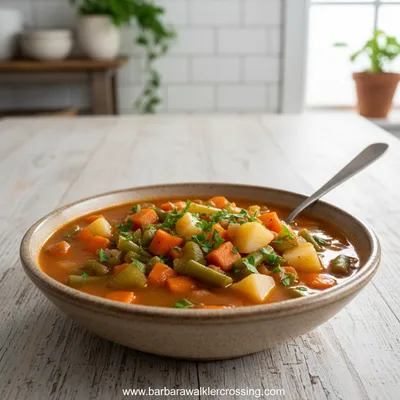
Garden Vegetable Soup
A deeply comforting vegetable soup that feels like a warm hug in a bowl, filled with seasonal produce and simple goodness that nourishes both body and soul.
Timing
Prep Time
20 Minutes
Cook Time
40 Minutes
Total Time
60 Minutes
Recipe Details
Ingredients
Soup Base
-
01
3 tablespoons olive oil
-
02
1 large onion, chopped
-
03
3 cloves garlic, minced
-
04
1 (28 oz) can crushed tomatoes
-
05
8 cups vegetable broth
-
06
2 bay leaves
-
07
1 teaspoon dried thyme
-
08
Salt and black pepper to taste
Main Vegetables
-
01
3 medium carrots, peeled and sliced
-
02
3 medium potatoes, peeled and diced
-
03
1/2 small cabbage, chopped
-
04
2 celery stalks, sliced
-
05
1 cup green beans, trimmed and cut into 1-inch pieces
Finishing Touches
-
01
1/4 cup fresh parsley, chopped
-
02
2 tablespoons fresh basil, chopped
-
03
1 tablespoon lemon juice
Instructions
Heat the olive oil in a large stockpot over medium heat. Add the chopped onion and sauté until softened, about 5 minutes. Add the garlic and cook for another minute until fragrant.
Stir in the crushed tomatoes and cook for 3-4 minutes, allowing the tomatoes to deepen in color and flavor. This step builds the foundation of your soup.
Add the vegetable broth, bay leaves, dried thyme, and season with salt and pepper. Bring to a gentle simmer.
Add the carrots and potatoes to the pot. These heartier vegetables need more time to become tender. Simmer for 15 minutes.
Stir in the cabbage, celery, and green beans. Continue simmering for another 15-20 minutes until all vegetables are tender but not mushy.
Remove the bay leaves. Stir in the fresh parsley, basil, and lemon juice. Taste and adjust seasoning if needed.
Let the soup rest off the heat for about 10 minutes before serving. This allows the flavors to meld together beautifully.
Notes & Tips
-
1
The soup thickens as it cools due to the potatoes - add a splash of broth when reheating if needed
-
2
This is a great clean-out-the-refrigerator recipe - feel free to add other vegetables you have on hand
-
3
For a creamy variation, blend half the soup and stir it back in

Tools You'll Need
-
Large stockpot or Dutch oven
-
Cutting board
-
Sharp chef's knife
-
Wooden spoon
-
Measuring cups and spoons
-
Ladle
Must-Know Tips
-
Chop vegetables evenly for consistent cooking
-
Don't boil rapidly - a gentle simmer preserves vegetable texture
-
Taste and adjust seasoning at the end - vegetables absorb salt differently
Professional Secrets
-
Sauté vegetables until slightly golden for deeper flavor
-
Use homemade vegetable broth for the best results
-
Add a Parmesan rind while simmering for extra umami depth

Recipe by
Isabella MooreCelebrating life with flavor 🎉🍽️ Creating magical seasonal dishes full of warmth, joy, and delicious taste ✨
Get Delicious Recipes Weekly
Join 25,000+ home cooks getting our best recipes straight to their inbox.
Free forever • No spam • Unsubscribe anytime