
The croissant, a hallmark of French patisserie, traces its roots to the Austrian kipferl of the 17th century. It arrived in Paris and evolved, gaining its characteristic layers through lamination, a technique that creates delicate, airy folds. Chocolate, an indulgent addition, became popular in the early 1900s, turning the classic buttery pastry into a sweet comfort. This marriage of technique and cocoa endures, offering a taste of history on a modern kitchen table.
Why You'll Love It
-
- Layers of buttery flakiness that melt in your mouth
-
- Rich chocolate filling that balances sweet and deep
-
- Simple steps that bring bakery quality home
-
- A comforting aroma that fills the kitchen
“These croissants taste like a bakery’s secret, perfectly flaky and chocolatey.”
Essential Ingredient Guide
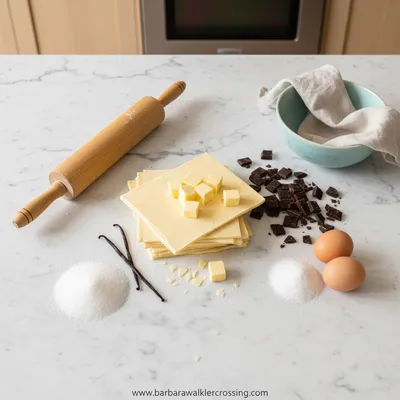
- All‑purpose flour: Choose a flour with moderate protein; it helps develop the gluten needed for lamination.
- Unsalted butter: Use high‑quality, cold butter for crisp layers; the cooler, the better.
- Dark chocolate chips: Semi‑sweet chips melt smoothly; they add depth without overwhelming bitterness.
- Yeast: A small amount gives gentle lift, allowing the dough to puff without airy gaps.
- Lemon zest: A hint of citrus brightens the chocolate, creating subtle contrast.
- Sugar: Adds just enough sweetness to balance the butter and chocolate richness.
Complete Cooking Process
-
Ingredient Readiness:
Measure flour, chill butter, and pre‑measure sugar and yeast so the dough can come together smoothly.
-
Flavor Development:
Allow the dough to rest after mixing; this relaxes gluten and lets the butter stay firm.
-
Texture Control:
During rolling and folding, keep the dough cool to prevent butter from melting, ensuring crisp layers.
-
Finishing Touches:
Add chocolate filling, seal edges, and brush with egg wash for that golden shine.
-
Serving Timing:
Serve warm, straight from the oven, when the interior is molten and the crust just cracked.
-
Keep the dough and butter at the same temperature before laminating.
-
Dust the surface lightly to avoid sticky dough.
-
Use a serrated knife to cut triangles without compressing layers.
-
Bake on parchment to prevent sticking.
Pro Tips
When you follow these small habits, the process feels less like a chore and more like a gentle ritual. The kitchen fills with a buttery scent, and you’ll notice how each layer separates with a quiet snap. It’s a quiet reminder that patience still rewards us with simple pleasures.
The essence of the dish:
Flaky, buttery pastry encasing a sweet chocolate heart, offering a balance of texture and richness that feels both familiar and indulgent.
A fun fact or historical angle:
The original kipferl was shaped like a crescent to celebrate the defeat of the Ottoman empire; today we celebrate chocolate.
Flavor or sensory focus:
You’ll first notice the crisp, buttery crust, then the warm, melty chocolate that releases a faint hint of lemon zest.
You Must Know
-
Cold butter is key to flakiness
-
Rest the dough after each fold
-
Don’t over‑proof before baking
Frequently Asked Questions
→ Can I use frozen puff pastry?
Yes, but the texture will be less layered; homemade dough gives the classic lamination.
→ What chocolate works best?
Semi‑sweet chocolate chips or chopped dark chocolate of 60‑70% cocoa provide balanced richness.
→ How far ahead can I shape the croissants?
You can shape and refrigerate them overnight; just keep them covered.
→ Do I need an egg wash?
A light egg wash gives a golden finish, but butter brush works too for a softer hue.
→ Can I freeze baked croissants?
Yes, freeze them after cooling; reheat in the oven for crispness.
→ What if my dough is too sticky?
Add a tablespoon of flour at a time and keep the dough chilled between folds.
Nutrition Facts
per serving
280
Calories
5g
Protein
35g
Carbs
12g
Fat
Taste Profile
Rich buttery sweetness with a hint of citrus
Ingredient Substitutions
Don't have an ingredient? Try these alternatives
Texture will be slightly less flaky.
Sweeter, reduced cocoa depth.
Recipe Variations
Try these delicious twists on the original
Spicy Version
Add a pinch of cayenne and a drizzle of chocolate‑chili glaze for a subtle kick.
Mediterranean Style
Swap chocolate for feta and olives, finishing with a splash of olive oil.
Common Mistakes to Avoid
Learn from others' mistakes for perfect results
- Allowing butter to soften too much, resulting in greasy layers.
- Skipping resting periods, which makes the dough tough.
- Over‑proofing, causing the croissants to collapse in the oven.
Meal Prep & Storage
Make Ahead Tips
Prepare the dough, laminate, and shape croissants up to the final rise; refrigerate overnight, then bake in the morning.
Leftover Ideas
Reheat gently in a 300°F oven for 5‑7 minutes to restore crispness.
Perfect Pairings
Serve this with...
Cooking Timeline
Mix dry ingredients and combine with warm milk and melted butter.
Knead briefly, shape dough ball, and chill.
Prepare butter block, roll dough, and perform first fold.
Complete remaining two folds, chilling between each.
Roll, cut triangles, add filling, shape croissants, and proof.
Bake until golden, then cool and serve.
 Baking, Bread & Sweet Comforts
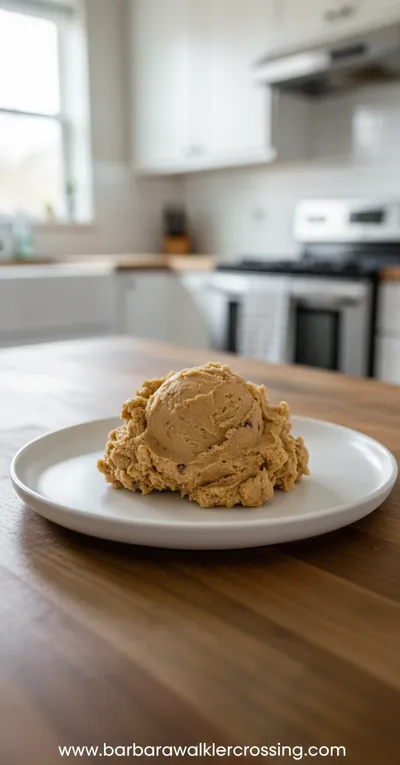
High Protein Cookie Dough
Nutritious cookie dough loaded with protein, easy to whip up and enjoy any time.
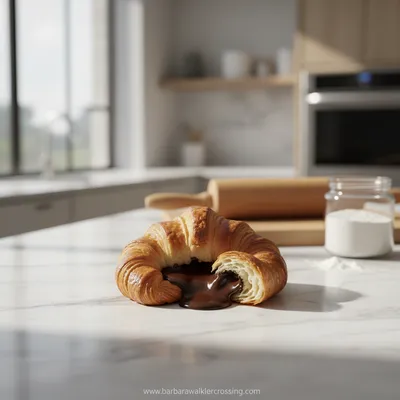
Easy Homemade Chocolate Croissants
Flaky, buttery chocolate croissants made at home, perfect for a sweet breakfast or snack. The layers unfold like a quiet sunrise, each bite releasing warm cocoa aroma and tender crumb.
Timing
Prep Time
30 Minutes
Cook Time
20 Minutes
Total Time
50 Minutes
Recipe Details
Ingredients
Dough
-
01
3 cups all‑purpose flour
-
02
1/4 cup granulated sugar
-
03
1 tsp salt
-
04
1 packet (2 1/4 tsp) active dry yeast
-
05
3/4 cup warm milk
-
06
2 tbsp melted unsalted butter
-
07
8 oz cold unsalted butter, sliced thin
Filling
-
01
1 cup semi‑sweet chocolate chips
-
02
1 tsp lemon zest
-
03
2 tbsp powdered sugar (optional, for dusting)
Finishing
-
01
1 egg, beaten (for glaze)
-
02
1 tbsp water
Instructions
In a bowl combine flour, sugar, salt, and yeast. Add warm milk and melted butter, mix until a shaggy dough forms.
Knead gently for 5 minutes, then shape into a ball, cover, and let rest 15 minutes in the refrigerator.
Place the cold butter slices between two sheets of parchment and pound into a flat square; keep chilled.
Roll dough into a rectangle, place the butter block in the center, fold the dough over, and seal edges.
Roll the dough into a long rectangle and perform a single fold (letter‑fold). Chill 15 minutes; repeat the roll‑fold process two more times, chilling between each.
After the final chill, roll the dough to about 1/4‑inch thick and cut triangles. Place a tablespoon of chocolate chips and a pinch of lemon zest on each base, roll tightly, and shape into crescents.
Lay croissants on a parchment sheet, brush with egg‑water glaze, and let rise 30 minutes, until slightly puffed.
Bake at 375°F (190°C) for 18‑20 minutes, until golden. Cool briefly, dust with powdered sugar if desired.
Notes & Tips
-
1
If the butter begins to melt during rolling, return the dough to the fridge for 10 minutes.
-
2
For a richer filling, melt chocolate with a splash of cream before piping.
-
3
Make sure the oven is fully preheated for even browning.
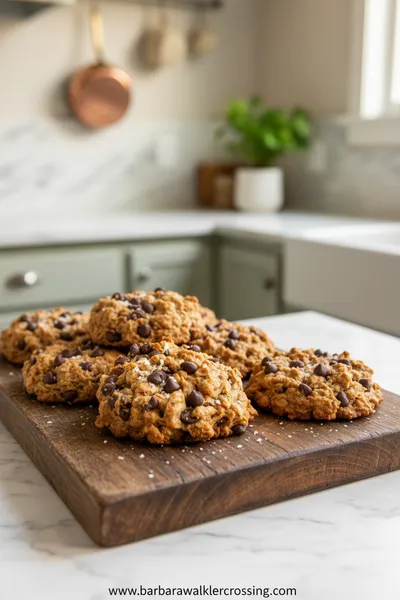
Tools You'll Need
-
Mixing bowl
-
Rolling pin
-
Sharp knife or pizza cutter
-
Parchment paper
-
Baking sheet
-
Pastry brush
Must-Know Tips
-
Keep dough and butter at similar cold temperatures for smooth lamination.
-
Rest the dough between folds to prevent gluten tightening.
-
Brush lightly with egg wash for a glossy finish.
Professional Secrets
-
Use a light dusting of flour to avoid sticking without drying the dough.
-
Leave a small seam when sealing the croissant to trap steam inside.
-
Bake on the middle rack for even heat distribution.

Recipe by
Barbara WalkerCooking with heart and heritage 🥘❤️ Sharing nostalgic flavors, family comfort, and timeless kitchen love ✨
Get Delicious Recipes Weekly
Join 25,000+ home cooks getting our best recipes straight to their inbox.
Free forever • No spam • Unsubscribe anytime