
Roasted vegetable soups have roots in peasant cooking traditions across Europe, where families would use whatever root vegetables survived the winter months. By roasting them first, they unlocked natural sugars and deep, caramelized flavors that transformed simple ingredients into nourishing, comforting meals. This method dates back centuries to times when ovens were communal and families would bring their vegetables to bake together, creating dishes that were both practical and deeply flavorful.
Why You'll Love It
-
Deep, caramelized flavors from roasting the vegetables first
-
Creamy texture without needing heavy cream
-
Uses simple, seasonal ingredients you likely have on hand
-
Freezes beautifully for easy future meals
-
Comforting warmth that feels like a hug in a bowl
"My family requests this soup weekly during fall - the roasted flavor is incredible!"
Essential Ingredient Guide
- Root vegetables: Carrots, potatoes, and sweet potatoes work beautifully - they roast into sweet, tender morsels that blend into the creamiest texture
- Onion and garlic: These form the flavor foundation - roasting mellows their sharpness and brings out wonderful sweetness
- Vegetable broth: A good quality broth makes all the difference - it's the liquid gold that brings everything together
- Fresh thyme: Adds an earthy, aromatic note that complements the roasted vegetables perfectly
- Olive oil: Helps the vegetables caramelize properly and adds richness to the final soup
- Bay leaf: Simmered with the broth, it adds subtle depth that you'll notice in every spoonful
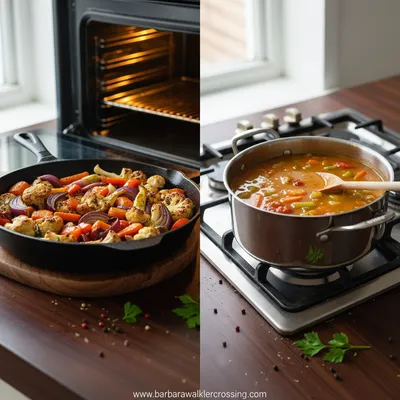
Complete Cooking Process
-
Ingredient Readiness:
Chop all vegetables into similar-sized pieces so they roast evenly. Pat them dry if they're fresh from washing - the drier they are, the better they'll caramelize.
-
Flavor Development:
The magic happens in the oven. As the vegetables roast, their natural sugars caramelize, creating deep, sweet flavors that boiling simply can't achieve. This step is what makes this creamy soup so special.
-
Texture Control:
After roasting, the vegetables should be tender enough to blend smoothly. The blending time determines how silky your soup becomes - blend longer for ultra-creamy results.
-
Finishing Touches:
Taste and adjust seasoning right before serving. A final swirl of olive oil or fresh herbs elevates the soup beautifully.
-
Serving Timing:
Serve immediately while hot, or let it cool completely before storing. The flavors actually improve after resting for a few hours.
-
Don't overcrowd the roasting pan - give vegetables space to caramelize properly
-
Rotate the pan halfway through roasting for even browning
-
Let the roasted vegetables cool slightly before blending to avoid pressure buildup
-
Strain the soup through a fine mesh sieve for extra silkiness if desired
Pro Tips
You know, I've made this soup more times than I can count, and each time I'm reminded how simple ingredients can become something truly special. The roasting step might seem like extra work, but honestly, it's what transforms this from ordinary vegetable soup into something extraordinary.
I remember one particularly cold November day when I made a huge batch of this soup and shared it with my neighbor who'd just had surgery. She told me weeks later that it was the first thing that tasted truly comforting during her recovery. That's the power of good, honest food - it nourishes more than just the body.

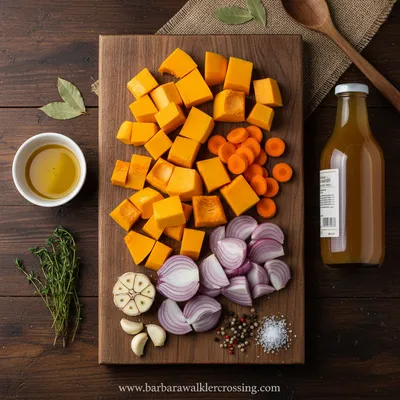
The essence of the dish:
This soup captures the very soul of comfort food. It's the transformation of simple, earthy vegetables into something velvety and rich through the alchemy of roasting. Each spoonful carries the deep, caramelized notes that only time in the oven can create.
A fun fact or historical angle:
Roasting vegetables before making soup was a common practice in many European farmhouse kitchens. Without reliable refrigeration, roasting helped preserve vegetables while intensifying their flavor, making winter meals more interesting and nutritious.
Flavor or sensory focus:
The first thing you'll notice is the incredible depth of flavor - sweet from the caramelized vegetables, earthy from the herbs, and rich from the slow simmering. The texture is velvety smooth with just enough body to feel substantial.
You Must Know
-
Roasting is non-negotiable - it creates the signature flavor
-
Let the soup cool slightly before blending for safety
-
Season in layers - salt the roasting vegetables and adjust after blending
-
The soup thickens as it cools, thin with extra broth if needed
Frequently Asked Questions
→ Can I use frozen vegetables instead of fresh?
Fresh is definitely better for roasting, as frozen vegetables release too much water and won't caramelize properly. If you must use frozen, thaw and pat them very dry first.
→ How long does this soup keep in the refrigerator?
It will keep well for about 4-5 days in an airtight container. The flavors actually improve after a day or two.
→ Can I make this soup vegan?
Absolutely! Just use vegetable broth and omit any dairy. The roasted vegetables create such creamy texture that you won't miss the cream at all.
→ What's the best way to reheat the soup?
Gently reheat on the stovetop over medium-low heat, stirring occasionally. You might need to add a splash of broth or water as it thickens when refrigerated.
→ Can I freeze this creamy vegetable soup?
Yes, it freezes beautifully for up to 3 months. Thaw overnight in the refrigerator and reheat gently.
→ What vegetables work best for roasting?
Root vegetables like carrots, potatoes, sweet potatoes, and parsnips roast beautifully. More delicate veggies like zucchini are better added fresh after blending.

Nutrition Facts
per serving
180
Calories
3g
Protein
28g
Carbs
7g
Fat
Taste Profile
Sweet and savory with deep roasted notes and earthy herbal tones
Ingredient Substitutions
Don't have an ingredient? Try these alternatives
Adjust roasting time slightly as squash may cook faster
Coconut milk adds a subtle tropical note that works well with the sweet vegetables
Recipe Variations
Try these delicious twists on the original
Spicy Version
Add a pinch of red pepper flakes to the roasting vegetables or stir in a teaspoon of harissa paste after blending
Creamy Mushroom Addition
Add roasted mushrooms along with the root vegetables for an earthy depth similar to my vegan mushroom soup
Common Mistakes to Avoid
Learn from others' mistakes for perfect results
- Overcrowding the roasting pan leading to steamed rather than roasted vegetables
- Not roasting long enough - vegetables should have visible caramelization
- Blending while too hot and creating pressure buildup
- Underseasoning - roasted vegetables need generous seasoning
Meal Prep & Storage
Make Ahead Tips
You can roast the vegetables up to 2 days ahead and store them refrigerated. The complete soup can be made 3 days in advance - the flavors improve over time.
Leftover Ideas
Reheat gently on the stovetop, adding a splash of broth if it has thickened too much. Leftovers make a wonderful lunch - sometimes I think they're even better than the first day.
Perfect Pairings
Serve this with...
Cooking Timeline
Prep vegetables - peel, chop, and season with oil and spices
Roast vegetables until tender and caramelized
Simmer with broth and herbs to develop flavors
Blend until smooth and adjust consistency
Finish with cream (if using) and final seasoning adjustments

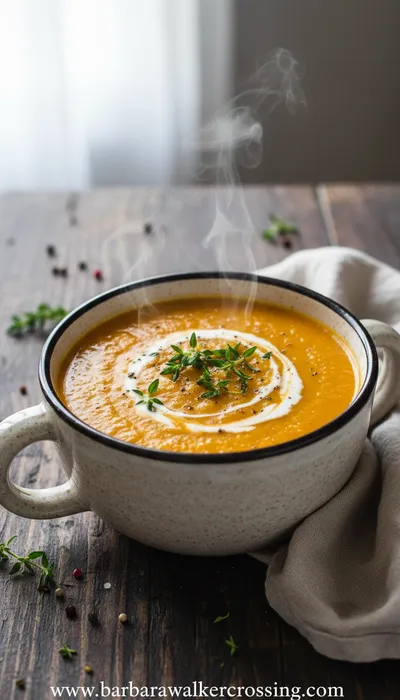
Creamy Roasted Vegetable Soup Recipe
There's something deeply comforting about a bowl of creamy roasted vegetable soup. Honestly, the way the oven transforms humble roots into something sweet and caramelized... it gets me every time. I remember making this for my daughter when she was little and had a cold, and now she asks for it every time the weather turns chilly.
Timing
Prep Time
20 Minutes
Cook Time
45 Minutes
Total Time
1 Hour 5 Minutes
Recipe Details
Ingredients
Roasted Vegetables
-
01
3 large carrots, peeled and chopped
-
02
2 medium sweet potatoes, peeled and chopped
-
03
1 large yellow onion, chopped
-
04
3 cloves garlic, peeled
-
05
2 tablespoons olive oil
-
06
1 teaspoon salt
-
07
½ teaspoon black pepper
Soup Base
-
01
6 cups vegetable broth
-
02
2 bay leaves
-
03
1 teaspoon fresh thyme leaves
-
04
½ cup heavy cream (optional)
-
05
Salt and pepper to taste
For Serving
-
01
Fresh thyme sprigs
-
02
Crusty bread
-
03
Drizzle of olive oil
Instructions
Preheat your oven to 400°F (200°C). Chop all the vegetables into similar-sized pieces, about 1-inch chunks. This ensures they roast evenly and become tender at the same time.
Spread the chopped carrots, sweet potatoes, onion, and garlic on a large baking sheet. Drizzle with olive oil and sprinkle with salt and pepper. Toss everything together until well coated. Roast for 30-35 minutes, stirring halfway through, until the vegetables are tender and caramelized at the edges.
Transfer the roasted vegetables to a large pot. Add the vegetable broth, bay leaves, and fresh thyme. Bring to a simmer over medium heat, then reduce heat to low and let it bubble gently for 15 minutes to allow the flavors to meld together.
Remove the bay leaves. Using an immersion blender or working in batches with a regular blender, puree the soup until completely smooth. Be careful with hot liquids - blend in small batches if using a regular blender.
If using cream, stir it in now. Taste and adjust seasoning with salt and pepper. If the soup is too thick, add more broth until it reaches your desired consistency. This is where you make it perfect for your taste, much like adjusting my carrot lentil soup to just the right thickness.
Serve hot, garnished with fresh thyme and a drizzle of olive oil. Some crusty bread on the side makes this a complete, comforting meal that warms you from the inside out.
Notes & Tips
-
1
The roasting time may vary depending on your oven and vegetable size - look for golden edges and tender centers
-
2
You can substitute other root vegetables like parsnips or regular potatoes based on what's in season
-
3
For extra richness, you can add a tablespoon of butter when blending
-
4
This soup freezes beautifully - cool completely before freezing in airtight containers

Tools You'll Need
-
Large baking sheet
-
Sharp knife and cutting board
-
Large soup pot
-
Immersion blender or regular blender
-
Measuring cups and spoons
-
Wooden spoon or spatula
Must-Know Tips
-
Don't overcrowd the baking sheet - vegetables need space to caramelize properly
-
Let the roasted vegetables cool slightly before blending to avoid pressure buildup
-
Taste and adjust seasoning after blending - flavors change during the process
-
If using a regular blender, never fill more than halfway with hot liquid
Professional Secrets
-
Room temperature vegetables roast more evenly than cold ones
-
High oven temperature ensures good caramelization without overcooking
-
Deglaze the roasting pan with a little broth to capture all the flavorful bits
-
Strain the blended soup through a fine mesh sieve for ultra-smooth texture

Recipe by
Isabella MooreCelebrating life with flavor 🎉🍽️ Creating magical seasonal dishes full of warmth, joy, and delicious taste ✨
Get Delicious Recipes Weekly
Join 25,000+ home cooks getting our best recipes straight to their inbox.
Free forever • No spam • Unsubscribe anytime