
Traditionally known as a Dutch Baby, the baked German pancake originated in the 18th‑century Alsace‑Lorraine region, where thin crepes were baked in iron pans over an open fire. Over time the technique migrated to the United States, where the high‑heat oven became the perfect modern hearth. This recipe honors that history while keeping the process easy for any home cook. The gentle rise comes from steam created by the batter’s high egg‑to‑flour ratio, and the crisp edges are a tribute to the pan‑seared pancakes of old.
Why You'll Love It
-
- Effortless one‑pan preparation
-
- Fluffy interior with crisp edges
-
- Versatile toppings—sweet or savory
-
- Minimal cleanup, maximum comfort
“The pancake was so airy, my kids thought it was a cloud on a plate!”
Essential Ingredient Guide
- All‑purpose flour: Provides structure; sift to avoid lumps and ensure a light batter.
- Whole eggs: Creates steam for lift; use at room temperature for even baking.
- Milk: Adds moisture; whole milk gives richness, but any dairy works.
- Sugar: A modest sweetness that caramelizes at the edges.
- Lemon zest: Brightens the flavor and complements fruit toppings.
- Vanilla extract: Adds a warm, familiar aroma without overwhelming the batter.
Complete Cooking Process
-
Ingredient Readiness:
Measure flour, whisk eggs, and warm milk together; let the batter rest for a few minutes so the flour hydrates.
-
Flavor Development:
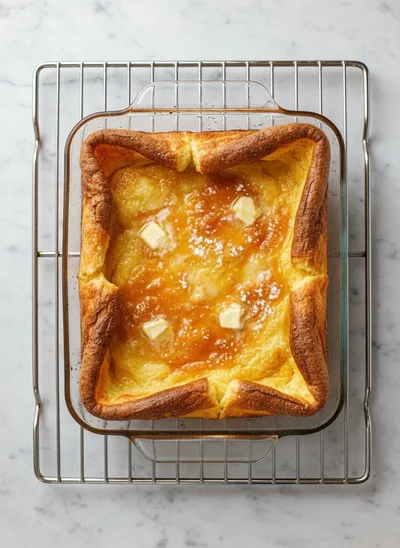
Melt butter in a cast‑iron skillet, then pour the batter in; the butter sizzles, creating that coveted caramelized rim.
-
Texture Control:
Bake at high heat (425°F) so steam lifts the batter quickly, giving a puffed top and crisp bottom.
-
Finishing Touches:
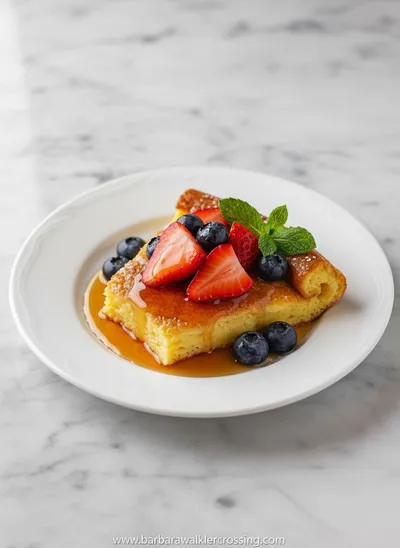
Remove from oven, dust with powdered sugar, and add fresh berries or a drizzle of maple syrup.
-
Serving Timing:
Serve immediately while the pancake is still puffed; it will gently settle but remain delightfully airy.
-
Pre‑heat the skillet until the butter foams and just begins to brown.
-
Do not over‑mix the batter; a few lumps are fine and keep the texture light.
-
Avoid opening the oven door during the first 8 minutes; the rise depends on trapped steam.
-
If you like a nutty note, sprinkle a pinch of toasted almond slivers on top before baking.
Pro Tips
Well, it’s funny how a simple batter can feel like a small miracle. I’ve found that letting the batter sit for just five minutes lets the flour absorb the liquid, which makes the interior extra tender. After the pancake settles, a quick sprinkle of powdered sugar adds a final sparkle that catches the morning light. It’s those little moments— the sizzle, the rise, the aroma—that turn a weekday brunch into a cozy memory.
The essence of the dish:
It’s the contrast between the airy, almost soufflé‑like center and the crisp, caramelized edges that makes the baked German pancake unforgettable.
A fun fact or historical angle:
Early American cookbooks called it a “Dutch Baby” because German immigrants were mistakenly thought to be Dutch by early settlers.
Flavor or sensory focus:
You’ll notice a buttery fragrance that fills the kitchen, a gentle sweetness from the sugar, and the bright zing of lemon zest that lifts the palate.
You Must Know
-
Use a heavy skillet for even heat
-
Room‑temperature eggs rise better
-
Don’t over‑bake; it should stay soft inside
Frequently Asked Questions
→ Can I use gluten‑free flour?
Yes, substitute an equal amount of a gluten‑free blend; the texture will stay light as long as you don’t over‑mix.
→ What toppings work best?
Seasonal fruit, a spoonful of ricotta, or a drizzle of honey are all delightful; even a sprinkle of powdered sugar adds charm.
→ Do I need to butter the pan beforehand?
A generous pat of butter creates the signature caramelized rim, and it adds a rich flavor that pairs well with sweet toppings.
→ How do I keep it from deflating?
Serve immediately; the pancake will naturally settle, but it stays tender if kept warm in a low oven.
→ Can I make it ahead of time?
You can prep the batter a night before and refrigerate; just give it a quick stir before baking.
→ Is this recipe suitable for a vegan diet?
Swap the eggs for a flax‑egg mixture and use plant‑based milk; the texture will be slightly different but still lovely.
Nutrition Facts
per serving
320
Calories
12g
Protein
32g
Carbs
14g
Fat
Taste Profile
A gentle sweet‑but‑bright flavor with buttery richness
Ingredient Substitutions
Don't have an ingredient? Try these alternatives
Will give a nuttier flavor; you may need a little extra milk.
Adds a faint coconut aroma; keep the temperature moderate to avoid burning.
Recipe Variations
Try these delicious twists on the original
Spicy Version
Add a pinch of cinnamon and a dash of cayenne for a warm, subtle kick.
Mediterranean Style
Top with sliced figs, a drizzle of honey, and a sprinkle of toasted pine nuts.
Common Mistakes to Avoid
Learn from others' mistakes for perfect results
- Opening the oven too early, causing the pancake to deflate.
- Over‑mixing the batter, which can make it dense.
- Using a cold skillet, resulting in soggy edges.
Meal Prep & Storage
Make Ahead Tips
You can whisk the batter the night before and refrigerate; just give it a quick stir before baking.
Leftover Ideas
Reheat gently in a skillet over low heat, adding a pat of butter to revive crispness.
Perfect Pairings
Serve this with...
Cooking Timeline
Preheat oven and skillet; gather and measure all ingredients.
Whisk batter components together; let rest.
Add butter to hot skillet and pour batter, listening for a gentle sizzle.
Bake until puffed and edges turn deep gold; avoid opening oven early.
Remove, dust with sugar, add toppings, and serve immediately.
 Baking, Bread & Sweet Comforts
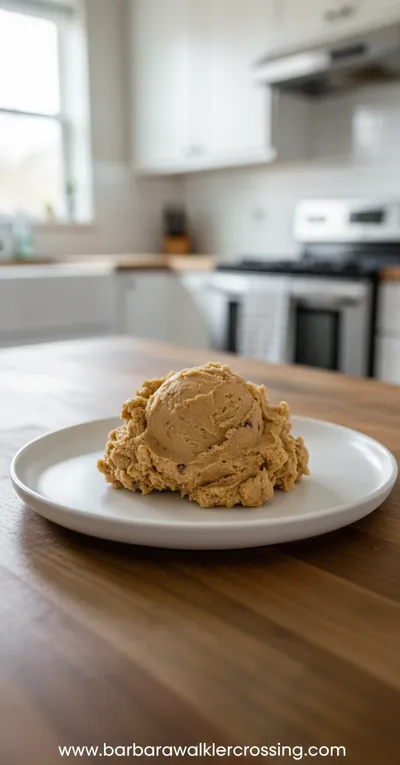
High Protein Cookie Dough
Nutritious cookie dough loaded with protein, easy to whip up and enjoy any time.
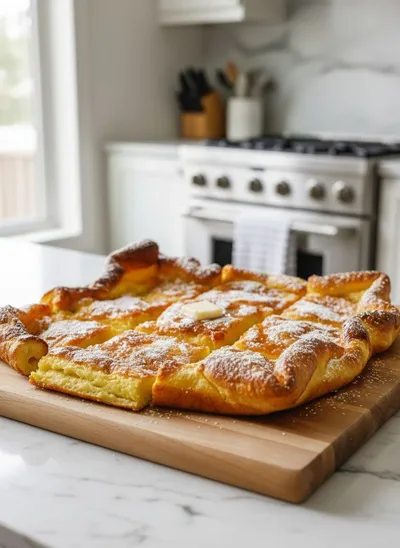
Baked German Pancake
A light, airy baked German pancake that rises beautifully in the oven, with crisp golden edges and a tender, custardy center—perfect for a leisurely weekend brunch topped with fresh fruit or a drizzle of maple syrup.
Timing
Prep Time
15 Minutes
Cook Time
20 Minutes
Total Time
35 Minutes
Recipe Details
Ingredients
Batter
-
01
1 cup all‑purpose flour
-
02
1 cup whole milk
-
03
4 large eggs
-
04
2 tbsp granulated sugar
-
05
2 tbsp melted butter (plus extra for skillet)
-
06
1 tsp vanilla extract
-
07
1 tsp lemon zest
-
08
Pinch of salt
Instructions
Pre‑heat your oven to 425°F (220°C). Place a 10‑inch cast‑iron skillet inside to warm up.
In a bowl, whisk together flour, sugar, and salt; in another bowl, beat eggs, then whisk in milk, melted butter, vanilla, and lemon zest.
Combine the wet and dry ingredients, stirring just until blended—few lumps are fine. Let the batter rest for 5 minutes.
Carefully remove the hot skillet, add a tablespoon of butter, and swirl until melted and foamy. Immediately pour the batter in; it should sizzle.
Bake for 12‑15 minutes, until the edges are deep golden and the center has puffed up.
Remove from oven, dust with powdered sugar, and serve with fresh berries or syrup.
Notes & Tips
-
1
If the batter seems too thick, add a splash of milk; it should flow like thin pancake batter.
-
2
For extra flavor, stir in a handful of fresh blueberries before baking.
-
3
A quick squeeze of lemon over the finished pancake brightens the sweetness.
Tools You'll Need
-
10‑inch cast‑iron skillet
-
Mixing bowls
-
Whisk
-
Measuring cups and spoons
-
Oven
Must-Know Tips
-
Don’t overcrowd the pan; use a single skillet for even rise.
-
Let the batter rest; it improves texture.
-
Watch the edges; they signal when the pancake is done.
Professional Secrets
-
High oven temperature creates steam for lift.
-
Room‑temperature eggs ensure uniform puff.
-
Butter in the skillet adds caramelized flavor.

Recipe by
Barbara WalkerCooking with heart and heritage 🥘❤️ Sharing nostalgic flavors, family comfort, and timeless kitchen love ✨
Get Delicious Recipes Weekly
Join 25,000+ home cooks getting our best recipes straight to their inbox.
Free forever • No spam • Unsubscribe anytime